
Retirement application processing time is the gap between the day you file and the day your first benefit payment lands. Most people expect a quick turnaround. In reality, it stretches from a couple of weeks to several months.
Your agency, your filing method, and the state of your records all move the needle.
The Social Security Administration reports that online retirement claims usually move faster than paper ones, often within a few weeks. Federal retirement through the Office of Personnel Management is slower, frequently running 60 days or more. International and state pension agencies vary even more.
Here's what actually drives the timeline.
Quick Answer
Retirement application processing time depends on the agency and how you file. Social Security online claims often finish in two to four weeks. Paper claims usually take longer.
Federal retirement through OPM can run 60 to 90 days. International claims can take several months. Missing documents are the biggest cause of delay.
Why Retirement Application Processing Time Matters More Than Most People Think
The wait matters because your bills don't pause. If you file at 62 and expect money in three weeks, a three-month delay puts you in a hole. That gap can push you toward credit card debt or a raid on savings you meant to protect.
Retirement application processing time also shapes your start date. The Social Security Administration pays benefits for the month after you meet every requirement. A late decision can shove your first check into the next calendar year.
That changes your tax picture for two years running.
Medicare adds another layer. If you're turning 65, Part B enrollment often rides on the same claim. A slow retirement application can leave you without coverage for weeks.
Worse, a missed enrollment window can trigger a late penalty that lasts for life.
Delays don't hit everyone equally. People with thin work histories wait longer. Immigrants with foreign documents wait longer.
Those chasing an ex-spouse's claim wait longer still. Every missing paper adds another review cycle.
There's a money angle too. Retroactive benefits can recover up to six months of back pay in some cases. You only get that if your protective filing date is locked in early.
File late and you simply lose those months.
One more thing. A delayed claim can hide an error. Maybe your earnings record is short a few years.
Maybe a prior employer never reported your wages. Catching that before payments start is far easier than fixing it after.
So the timeline isn't just admin trivia. It's the difference between a smooth transition and a stressful one. File early, file online, and keep copies of every document you send.
A clean claim is a fast claim.
How Retirement Application Processing Time Actually Works: Claim Date vs. Payment Date
Two dates drive everything: your claim date and your payment date. The claim date is the day SSA receives your application or the day you call to schedule one. That becomes your protective filing date.
It locks in your earliest possible benefit month.
The payment date is different. SSA pays based on your birth date. If your birthday falls on the 1st through the 10th, you get paid on the second Wednesday.
Birthdays from the 11th to the 20th pay on the third Wednesday. Everyone else gets the fourth Wednesday.
Processing happens between those two points. SSA verifies your identity, checks your earnings record, and confirms your age. If everything lines up, the claim moves fast.
If anything is off, a reviewer has to step in.
Here's where people get confused. A claim can be approved quickly but still not pay immediately. The benefit month and the payment month aren't the same thing.
You might see an approval in March and a deposit in May.
The same logic applies to how a pension offsets your Social Security amount. A pension reduction takes extra review time. So does a spousal or survivor add-on filed at the same moment.
If you're filing from another country, the math changes again. Claims routed to international processing centers move on a different clock. Collecting payments abroad usually adds weeks, sometimes months.
The takeaway is simple. Claim date sets your money. Payment date sets your deposit.
Processing time sits in the middle, and it's the part you can actually influence.
Real Processing Timelines: SSA, OPM, and International Pension Agencies Side by Side
As of 2026, timelines still vary widely by agency and channel. SSA's online system remains the fastest route for a clean retirement claim. Paper filings lag behind because they need manual data entry and review.
Federal employees face a different process. OPM handles FERS and CSRS retirements, and those claims often take longer than Social Security. Many retirees get interim pay while the full annuity is being calculated.
Military retirees have their own path. DFAS processes retired pay separately from any VA compensation. That means two clocks running at once, and they rarely finish on the same day.
Overseas claimants wait longer almost every time. Foreign evidence has to be verified. International routing adds layers.
Even a simple UK or Canada claim can stretch past two months if documents cross borders.
| Agency | Typical Wait | Notes |
|---|---|---|
| SSA (online) | 2 to 4 weeks | Fastest for clean claims |
| SSA (paper) | 4 to 8 weeks | Manual review slows things down |
| OPM (federal) | 60 to 90 days | Interim pay often starts sooner |
| DFAS (military) | 30 to 60 days | Runs parallel to VA claims |
| UK State Pension | 8 to 12 weeks | Longer for overseas filings |
| Canada CPP | 4 to 8 weeks | Online claims move faster |
Your own record matters more than the agency average. A service record with gaps slows any claim. So does a name change that was never reported.
Small mismatches create big waits.
The pattern holds across every system. Clean files move. Messy files sit.
If you want speed, fix your record before you file, not after.
What Slows a Retirement Application Down: Risk Factors and Red Flags
Missing documents top the list. SSA needs proof of age, citizenship, and identity. It needs marriage records for spousal claims.
It needs divorce decrees and death certificates in survivor cases. Every gap triggers a request for more evidence.
A mismatched name is a quiet killer. If your marriage certificate says "Maria Lopez" and your SSA record says "Maria Lopez-Smith," a reviewer has to sort it out. That back-and-forth can add weeks.
Foreign evidence is another common slowdown. Documents from outside the US must be verified. Translations take time.
Some countries are slower to respond than others, and there's nothing you can do about that.
Work history errors cause delays too. If an employer underreported your wages, your benefit amount gets flagged. SSA has to reconcile the record before it can pay you.
Fixing that after filing is painful.
Filing on paper is a self-inflicted delay. Paper claims get keyed in by hand, then reviewed. Online claims feed straight into the system.
The difference in speed is real, not marketing.
Then there are the systemic factors. Field office staffing has been tight for years. Phone wait times stretch past an hour on busy days.
Backlogs build during peak filing periods.
You can't control the agency. You can control your paperwork. Gather everything before you file.
Double-check your name and birth date. Report address changes so notices reach you. Updating where notices go takes five minutes and prevents weeks of confusion.
Documents and Details That Decide How Long Your Retirement Claim Takes
Documents are the engine of your claim. Get them right and the process hums. Get them wrong and everything stalls.
This is the single biggest variable you control.
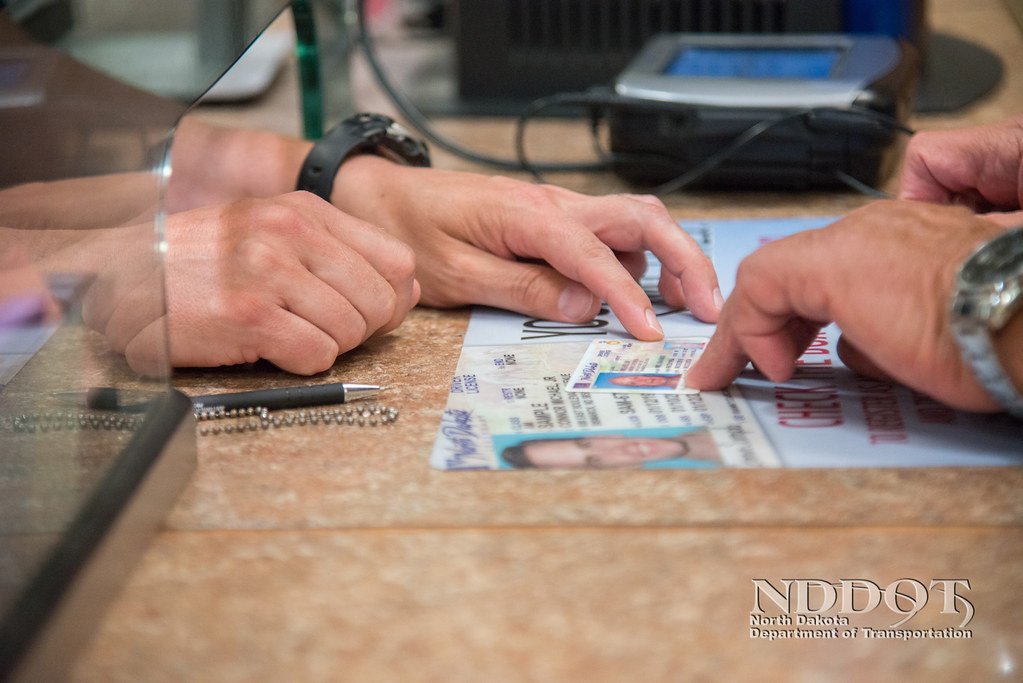
Image source: Openverse / NDDOT Photos (PDM 1.0)
Start with the basics. You'll need proof of age, usually a birth certificate. You'll need proof of citizenship or lawful status.
You'll need a Social Security number and a government photo ID.
If you're claiming spousal benefits, add a marriage certificate. If you're divorced and claiming on an ex-spouse's record, add the divorce decree. If you're a survivor, add the death certificate.
Self-employed filers should have tax returns ready. The SSA uses those to verify earnings when W-2 records don't match. Bringing them upfront saves a follow-up request later.
Military retirees should have discharge papers on hand. The DD-214 confirms service dates and character of discharge. Missing it can hold up a claim for weeks.
Here's the thing about SSA requests. Once they ask for evidence, the clock resets. You get a letter, you mail something back, they review it, and maybe they ask again.
Each round adds time.
Electronic submission is your friend. Uploading documents through your online account is faster than mailing. No lost envelopes.
No scanning delays. No wondering if it arrived.
Keep a personal copy of everything. If a claim gets flagged or lost, your records become the backup. According to the Social Security Administration, the fastest claims are the ones that arrive complete the first time.
One last tip. Check your earnings record every year through your online account. Errors caught early never become delays.
Errors caught at filing time always do.
Step-by-Step: How to Apply So Your Retirement Application Moves Faster
Follow this sequence. It's the same one SSA field offices recommend to walk-ins. The order matters because each step builds on the last.
First, create your my Social Security account online. This gives you access to your earnings record and your application. It also lets you upload documents electronically, which is much faster than mailing.
Second, check your earnings record for errors. Look at every year of reported wages. If something's missing, contact SSA before you file.
Fixing it now takes days. Fixing it after filing takes weeks.
Third, gather your documents. Birth certificate, photo ID, and Social Security card. Add marriage records, divorce decrees, or death certificates if you're claiming on someone else's record.
Have digital copies ready.
Fourth, apply online through the SSA website. The online form walks you through every question. It checks for common mistakes as you go.
It's faster than paper by a wide margin.
Fifth, choose your benefit start month carefully. If you're at Full Retirement Age, you can claim retroactive benefits up to six months in some cases. If you're filing early, your start month is locked once approved.
Sixth, set up direct deposit. It's the fastest way to get paid. Paper checks add mailing time and carry a higher risk of loss.
Give SSA your bank routing and account numbers when you apply.
Here's the if/then logic. If your record is clean and you file online, expect a decision in two to four weeks. If your record has gaps, expect a request for more evidence.
That request adds two to four weeks.
If you file on paper, add another week or two for data entry. If you're also applying for Medicare, do it at the same time. The systems talk to each other.
Filing separately creates duplicate work and delays both claims.
For those with a limited work history, consider checking eligibility for SSI alongside retirement. The two programs have different rules, but filing together can sometimes speed things up.
Checking Claim Status, Handling Delays, and Appealing a Decision
Your my Social Security account shows the status of your claim. It updates when SSA takes action. If it's been three weeks with no change, that's normal.
If it's been six weeks, it's time to follow up.
Call SSA at 1-800-772-1213. Have your Social Security number and claim confirmation ready. Wait times can stretch past an hour, so call early in the morning or late in the afternoon.
The automated system can also give you basic status info.
If you can't get through, schedule an appointment at a field office. Walk-ins are allowed but often slow. An appointment locks in a time slot and puts you in front of a person who can pull your file.
When you call, ask specific questions. What's the current stage? Is anything missing?
Was a request for evidence sent? When can I expect a decision? Write down the answers and the name of the person you spoke with.
If your claim has stalled for no clear reason, you can request a congressional inquiry. Your representative's office can contact SSA directly. It's not a magic fix, but it does put your file in front of a supervisor.
Now, if you're denied, you have options. The first step is reconsideration. You file Form SSA-561 within 60 days of the denial notice.
The same office reviews your case, but a different person handles it. Approval rates here are higher than at the first level.
If reconsideration fails, you can request a hearing before an administrative law judge. That can take months, sometimes over a year. But it's also where many denials get overturned.
For payment issues after approval, such as a missing deposit, a payment investigation may be needed. Contact SSA immediately if a payment doesn't arrive.
The key is to stay on top of it. Don't wait for SSA to call you. Check your status weekly.
Respond to every request within days, not weeks. Speed on your end often speeds up theirs.
Real Scenarios: Early, Spousal, Survivor, Disability Conversion, and Overseas Claims
Different claims move at different speeds. Here's what to expect in five common situations.
Early retirement at 62. This is the most common claim. Online filings usually process in two to four weeks.
The reduction is permanent, so SSA double-checks the math. If your record is clean, it's quick.
Spousal benefits. These require a marriage certificate and sometimes proof of your spouse's record. If your spouse hasn't filed yet, you can't claim on their record.
If they have, add two to three weeks for verification.
Survivor benefits. These are often the slowest. SSA needs a death certificate, proof of marriage, and sometimes proof of dependency.
Benefits after a spouse passes can take six to eight weeks or more.
Disability conversion. When you turn Full Retirement Age, your disability benefits automatically convert to retirement. No new application is needed.
The conversion usually happens without a gap in payments.
Overseas claims. If you live outside the US, your claim routes to an international processing center. These centers handle fewer claims but more complex ones.
Expect four to twelve weeks, depending on the country and the evidence required.
For divorced spouses, the 10-year marriage rule applies. You need a divorce decree and proof the marriage lasted at least a decade. If you've remarried, you generally can't claim on a former spouse's record unless that marriage ended too.
Case example. A 64-year-old in Texas filed online in early January. Her record was clean.
She got her award letter in 19 days and her first deposit in March. A 67-year-old in Florida filed on paper in February. Missing marriage record.
His claim took 11 weeks. The difference was the paper and the missing document.
The pattern is clear. The simpler your situation, the faster the claim. The more people and documents involved, the longer it takes.
File online. Send everything at once. Follow up if three weeks pass with no update.
Retirement Application Processing Time FAQs
How long does it take to process a retirement application?
Most online Social Security retirement applications finish in two to four weeks. Paper filings take four to eight weeks. Federal retirement through OPM can run 60 to 90 days.
International claims often take two to three months.
Can I speed up my retirement application?
Yes. File online, not on paper. Make sure your earnings record is correct before you apply.
Upload all documents electronically. Respond to any SSA request within a few days. These steps can cut weeks off your wait.
What happens if my retirement application is delayed?
Call SSA at 1-800-772-1213. Check your status online. If the delay is unexplained, ask for a supervisor or request a congressional inquiry.
Keep notes on every call and every person you speak with.
Does filing early or late change processing time?
No. The processing time is the same whether you claim at 62 or 70. What changes is your benefit amount.
Early filing reduces it permanently. Delayed filing increases it by 8% per year after Full Retirement Age.
What if I need my retirement money while I wait?
If you're in financial hardship, ask SSA about critical payment. It's rare, but it exists for extreme cases. Otherwise, plan for a gap.
Most people wait at least three to four weeks for their first deposit.
Can I apply for retirement and disability at the same time?
Yes. SSA will review both claims. If you're approved for disability, you may get higher payments.
The retirement claim may be held until the disability decision is made. This can add time to the overall process.
Final Decision Guide: When to File, What to Expect, and When to Get Help
Here's your decision guide. Use it to pick the right filing window and prepare for the wait.
If you're at Full Retirement Age and in good health, file online. You'll get your full benefit with no reduction. Expect two to four weeks for a decision.
If your spouse is also claiming, file together if possible. It simplifies the process.
If you're 62 and need money now, file early. But understand the trade-off. Your benefit drops by up to 30% for life.
Also know that the earnings test may reduce your payments if you keep working. For those still working, income limits for working seniors apply.
If you're 70, you've maxed out your delayed credits. File now. There's no benefit to waiting past 70.
You'll get the highest possible payment, and processing is usually smooth.
If you're a survivor, file as soon as you're eligible. Survivor claims can take longer. The sooner you start, the sooner the payments begin.
Keep the death certificate and marriage records ready.
If you live overseas, plan for a longer wait. File at least three months before you need the money. Use the online system if your country supports it.
If not, mail everything at once.
When should you get help? If your claim is denied, if your record has major errors, or if you're dealing with a foreign pension or complex divorce situation. A representative can file appeals and track your case.
Many work on contingency, so you pay only if you win.
The bottom line. Retirement application processing time is not a mystery. File online.
Fix your record first. Send complete documents. Follow up politely.
Do those things, and your claim will move as fast as the system allows. The rest is just waiting.
Pingback: * Retirement Benefits for Self Employed Workers - OMAGOUS
Pingback: * Benefits for Children With Disabilities - OMAGOUS