
Moving is stressful enough without worrying about lost mail. If you need to * How to change your mailing address online, you're in the right place. The USPS Change of Address (COA) service is the fastest way to forward your mail.
But it's only one piece of the puzzle.
In our research, the USPS online COA form costs $1.10 as of 2026 and requires identity verification. That small fee covers 12 months of mail forwarding for most mail types. However, it does not notify your bank, the IRS, or your state DMV.
So let's walk through the whole process step by step.
Quick Answer
Go to USPS.com and open the Change of Address form. Enter your old and new addresses. Pay the $1.10 identity verification fee.
Submit the form and save your confirmation code. Then update banks, government agencies, and subscriptions separately.
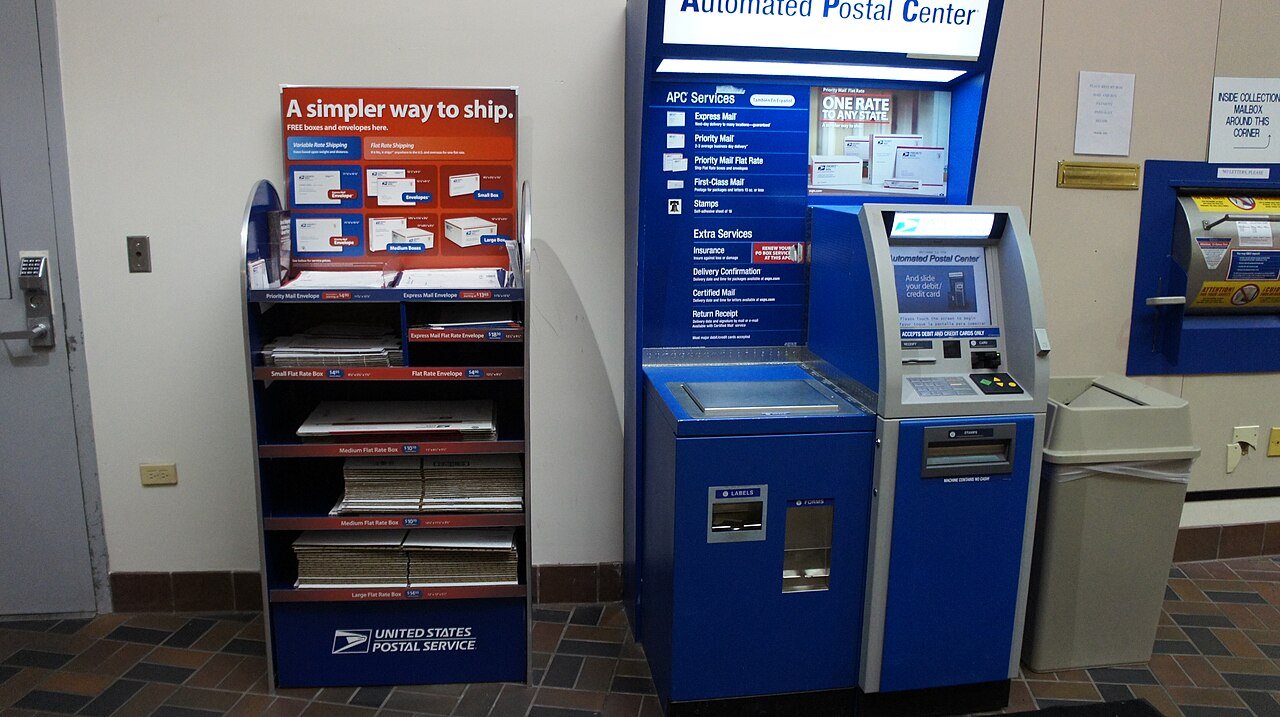
Image source: Wikimedia Commons / tales of a wandering youkai (CC BY)
How to Change Your Mailing Address Online: Pick Your Path Before You Start
Not every address change works the same way. Your first job is to pick the right path for your situation. A permanent move needs a different approach than a temporary stay.
And a family move needs a different form than a solo move. Get this wrong and you'll miss mail for months.
Permanent vs. Temporary: The First Branch That Changes Everything
If you're moving for good, choose a permanent change of address. The USPS forwards your mail for 12 months. That gives you time to update everyone.
If you're leaving for a few months, choose a temporary COA. You can set it for 15 days up to 1 year.
Temporary forwarding does not change your legal residence. Your bank and the IRS still see your old address as your home. So you must update them separately.
Permanent forwarding tells the USPS you've moved for good. That distinction matters for government benefits and tax mail.
Individual or Family COA: Who's Actually Covered
A family COA covers everyone at the same old address with the same last name. If you and your spouse share a last name, one form works. If you have roommates with different last names, each person files separately.
If you and your partner have different last names, you each file your own form.
This rule trips up a lot of movers. You might think one form covers the whole house. It doesn't.
Only people with your exact last name get forwarded. Everyone else needs their own COA.
Why One USPS Form Never Updates Your Bank, IRS, or DMV
The USPS COA only forwards mail. It does not legally change your address with anyone else. Your bank, insurer, employer, and the DMV all keep your old address until you tell them otherwise.
This is the biggest mistake people make.
You must contact each organization directly. Some let you update online in minutes. Others need a form or a phone call.
We'll cover exactly who to contact next. For now, just remember: USPS forwarding is a mail service, not an address update service.
The 10-Minute USPS Change of Address Walkthrough
The online form is fast if you have everything ready. Most people finish in under 10 minutes. Here's how to do it without errors.
What You Need Before You Open the Form
Gather these items first:
- Your old address and ZIP code
- Your new address and ZIP code
- A valid email address
- A credit or debit card for the $1.10 fee
- Your phone number for verification
Double-check your new address. A missing apartment number can delay forwarding. The USPS uses address standardization to match your new location.
One typo can send your mail to the wrong place.
Identity Verification, the $1.10 Fee, and What It Buys You
The $1.10 fee is not for forwarding. It's for identity verification. The USPS uses it to confirm you are who you say you are.
This prevents someone from forwarding your mail without your permission. The fee is non-refundable.
You can avoid the fee by filing in person at a post office. That option is free. But online is faster and saves a trip.
As of 2026, the online fee remains $1.10.
Confirmation Code, Validation Letter, Welcome Kit: What Arrives When
After you submit, you get an email confirmation with a unique code. Save that code. You'll need it to cancel or modify your COA later.
A validation letter goes to your old address. A welcome kit goes to your new address.
| Item | Where It Goes | Typical Timeline |
|---|---|---|
| Email confirmation | Your inbox | Immediate |
| Validation letter | Old address | 3 to 10 days |
| Welcome kit | New address | 5 to 14 days |
If you don't get the validation letter, call USPS customer service. It might mean your old address was entered wrong.
Which Government Agencies You Must Update Yourself
The USPS does not tell the government you moved. You must update each agency on your own. Miss one and you could lose benefits, tax refunds, or your driver's license.
IRS, Social Security, Medicare, and VA: Deadlines and Forms
The IRS needs your new address for refunds and notices. Use IRS Form 8822. Processing takes 4 to 6 weeks.
You can download it from the official IRS site. Social Security, Medicare, and VA all let you update online through your account.
If you receive benefits and need to update your address without a permanent home, our guide on getting benefits without a fixed home can help. For a returned benefit check, update your address right away to avoid delays.
USCIS Form AR-11 and the 10-Day Rule
If you are not a U.S. citizen, you must file USCIS Form AR-11 within 10 days of moving. This is a legal requirement. Missing the deadline can affect your immigration case.
You can file online through the USCIS website.
DMV, Voter Registration, and State ID: Timing by State
Most states require you to update your driver's license and vehicle registration within 30 days. Some allow online updates. Others require an in-person visit.
Voter registration deadlines vary by state. Check your state election office website.
If you receive benefits while living abroad, our article on receiving benefits abroad explains the extra steps. And if you need to check an appeal decision, make sure your address is current with that agency.
Banks, Insurers, Employers, and Subscriptions: The Direct-Update Branch
This is the long tail of your address change. Most of these updates take five minutes each. But skipping them causes real headaches.
Financial Accounts and Credit Bureaus
Update your bank, credit cards, and investment accounts. Then contact the three major credit bureaus: Equifax, Experian, and TransUnion. They don't share address changes with each other.
You must update all three.
If your direct deposit goes missing, our guide on missing direct deposit walks you through the fix. A wrong address can also trigger a returned benefit check, so update early.
Health, Auto, Home, and Life Insurance
Insurance companies need your correct address. A wrong address can void a claim or raise your premium. Update your health, auto, home, and life policies.
Most insurers let you do this online or through their app.
Payroll, Schools, Pharmacies, and Recurring Deliveries
Tell your employer's HR or payroll department. Update your children's schools. Update your pharmacy so prescriptions don't get lost.
And don't forget Amazon, subscription boxes, and streaming services. Each one holds your address separately.
When USPS Forwarding Isn't Enough: PO Box, Virtual Mailbox, or Premium Forwarding
Sometimes standard forwarding isn't the right tool. If you move often or need a permanent mailing address, consider these alternatives.
Free 12-Month Forwarding vs. Premium Forwarding Service
Standard forwarding is free with your COA. It forwards most First-Class Mail for 12 months. Premium Forwarding Service ships your mail weekly via Priority Mail.
It costs extra and is best for people who need everything bundled.
PO Box and Virtual Mailbox Trade-Offs
A PO Box gives you a secure street address at a post office. A virtual mailbox scans your mail and sends you digital copies. PO Boxes are cheaper.
Virtual mailboxes work better for digital nomads and expats.
| Option | Cost | Best For |
|---|---|---|
| Free USPS forwarding | $0 | Standard moves |
| Premium Forwarding | Varies | Weekly bundles |
| PO Box | Monthly fee | Local security |
| Virtual Mailbox | Monthly fee | Remote users |
What Never Gets Forwarded
Packages are not forwarded in most cases. Periodicals have limited forwarding. Marketing mail may not forward at all.
If you order a lot online, update your shipping address directly with each retailer. Don't rely on USPS forwarding for packages.
Costs, Timelines, and Realistic Expectations
The address change itself is cheap. The real cost is time, and the wait at each agency varies a lot. Here's what to expect.
What's Free, What's $1.10, and What Costs Monthly
The USPS online COA costs $1.10. In-person filing at a post office is free. Premium Forwarding Service starts around $25 and up, depending on how often your mail ships.
PO Boxes and virtual mailboxes run monthly or yearly.
Government updates are free. Banks, insurers, and retailers don't charge for a profile change. So your only real costs come from premium services and mailbox rentals.
Processing Windows for Each Agency
The USPS forwards mail starting on the date you choose. SSA and Medicare update instantly online. The IRS takes 4 to 6 weeks via Form 8822.
Credit bureaus can take up to 30 days.
| Agency or Service | Typical Processing Time |
|---|---|
| USPS forwarding | Starts on your chosen date |
| SSA, Medicare, VA | Immediate online |
| IRS Form 8822 | 4 to 6 weeks |
| Credit bureaus | Up to 30 days |
| State DMV | Varies by state |
How Long Forwarding Lasts and What Happens at Expiry
Standard permanent forwarding lasts 12 months. After that, mail returns to sender or gets delivered to the old address. Temporary forwarding ends on the date you picked, with no automatic renewal.
Set a calendar reminder before expiry. If you still need forwarding, you must file again. USPS does not extend it for you.
Mistakes That Cost You Mail, Money, or Benefits
Small errors cause big problems here. These are the ones we see most often.
Forwarding Gaps, Wrong Start Dates, and Missing Apartment Numbers
A gap happens when your old mail stops and your new forwarding hasn't started. Set your start date a few days before you actually move. That way, nothing slips through.
A missing apartment number can send your mail to the wrong unit. The USPS uses address standardization to match delivery points. One missing digit breaks the match.
Address Mismatches That Trigger Fraud Flags
When your bank sees a new address but your credit report doesn't, it can freeze your account. Update all three credit bureaus around the same time. For seniors juggling benefit payments, our guide on financial help for older adults explains how a mismatch can delay deposits.
If you've already had a payment go astray, you may need to request a payment trace. Keeping your address current prevents most of these problems.
Forgetting to Cancel or Extend a Temporary COA
Temporary forwarding just stops. If you've moved for good, switch to a permanent COA or file again. Otherwise your mail bounces back to sender.
That's how people lose tax documents and medical notices.
Your Address Change Decision Guide by Situation
Every move is different. Use these branches to decide what applies to you.
Renters, Homeowners, Students, and Military Moves
If you rent, tell your landlord and file a permanent COA. If you own, also update your property tax and mortgage records. Students should update financial aid and the registrar.
Military families on PCS orders can use the official forwarding process through their base.
Snowbirds, Expats, and Remote Workers
If you split time between two homes, a temporary COA plus a virtual mailbox works well. Expats should keep a U.S. mailing address for banks and the IRS. If you receive benefits overseas, our article on collecting benefits from another country covers the extra rules.
Remote workers who move often should use a virtual mailbox as their permanent address.
Small Business and Home-Based Business Moves
Businesses should file a separate COA for the business address. Update your EIN records with the IRS using Form 8822-B. Notify your state business registry and your payment processors.
If you run a home business, keep personal and business mail separate to avoid confusion.
FAQs About Changing Your Mailing Address Online
How much does it cost to change your address online with USPS?
The USPS online change of address costs $1.10. That fee pays for identity verification, not forwarding itself. Filing in person at a post office is free.
The fee is non-refundable once you submit.
How long does USPS mail forwarding last?
Permanent forwarding lasts 12 months from your start date. Temporary forwarding can run 15 days up to 1 year. After it ends, mail goes back to sender or your old address.
You must file again to continue.
Does USPS change of address notify the IRS and DMV?
No. The USPS only forwards mail. It does not update your records with any government agency.
You must contact the IRS, SSA, DMV, and voter registration yourself. Each has its own form or online portal.
Can I change my address online for my whole family at once?
Only if everyone shares your last name. A family COA covers people at the same address with the same surname. Roommates or partners with different last names must file separate forms.
Each person needs their own COA.
What happens if I file a temporary change of address and forget the end date?
Your forwarding simply stops on the end date. There's no automatic renewal and no warning. Mail starts returning to sender.
If you still need forwarding, file a new COA before the old one expires.
Why didn't my package get forwarded?
USPS does not forward most packages. Only certain mail classes move with a COA. Retailers ship to the address you gave them, not your forwarding address.
Update your shipping address directly with each store. For package-heavy movers, our guide on benefits and support for people in care facilities shows how a stable mailing address keeps deliveries reliable.
Can I forward mail to a PO Box or virtual mailbox?
Yes. You can set your new address as a PO Box or a virtual mailbox. Just enter that address on the COA form.
Make sure the mailbox provider accepts forwarded mail. Some virtual mailboxes charge extra for forwarded packages.
How do I cancel or modify a USPS change of address?
Use your confirmation code on USPS.com. You can cancel or change the start date, end date, or new address. You can also call USPS customer service.
Keep your confirmation email handy for either option.
How long until my new address shows up with banks and credit bureaus?
Banks usually update within a few days once you submit the change. Credit bureaus can take up to 30 days. Update all three bureaus, Equifax, Experian, and TransUnion, separately.
They don't share address changes with each other.
Is it safe to change your mailing address online?
Yes, if you use the official USPS Change of Address page. The $1.10 fee and identity check protect you from mail fraud. Never pay a third-party site that charges more for the same form.
Those sites are not official.
Pingback: * SSI Payment Reduction Due to Living Arrangements - OMAGOUS
Pingback: * How to Replace a Lost Benefit Card - OMAGOUS
Pingback: * Survivor Benefits for Parents of Deceased Workers - OMAGOUS
Pingback: * What Happens If a Payment Is Deposited Twice - OMAGOUS
Pingback: * How to Unlock an Online Benefits Account - OMAGOUS