
You just found out your dad needs help at home, and the first question is where to start. Application documents for elderly assistance often decide how fast that help arrives. One missing page can push everything back by weeks.
Families who gather paperwork early avoid the worst delays.
Medicaid's five-year look-back means states review every asset transfer since 2021. As of 2026, most applications take at least 45 days to process. Knowing the paperwork upfront saves you from repeat denials.
Let's walk through what you actually need before you file.
Why Accuracy Matters: The Real Cost of a Missing Elderly Assistance Document
A single missing document can freeze an entire application. We've seen families wait months because a bank statement from two years ago never arrived. The cost isn't just time.
It's unpaid care, mounting bills, and stress on everyone involved.
Medicaid, VA, and SSI all run on verification. If the agency can't confirm your income, assets, or identity, they won't approve benefits. If your parent needs nursing home care, the state will review five years of financial records.
If you can't produce them, the application sits in limbo.
Errors compound. A misspelled name on a birth certificate can trigger a request for more proof. An expired ID can stall the whole packet.
Agencies rarely call to fix small mistakes. They send a denial letter and move on.
Case managers report that many denials come from missing paperwork, not ineligibility. One more thing. Deadlines matter.
If the agency requests more information, you usually have 10 to 30 days to respond. Miss that window, and the application closes. You'll have to start over.
How One Missing Proof of Income Can Delay Care
Proof of income is the most common gap. Social Security award letters, pension statements, and pay stubs all count. If your parent receives help with rent, that documentation matters too.
Missing one source can push a decision past the 45-day mark.
What Happens When Documents Conflict or Expire
Conflicting dates or addresses raise red flags. If your parent's lease says one address and their utility bill says another, the agency will ask questions. Expired documents, like a driver's license from 2020, get rejected outright.
Always check expiration dates before you copy anything.
The fix is simple but tedious. Build a master checklist. Request certified copies early.
Track every submission with dates and names. That paper trail protects you if an appeal becomes necessary.
Quick Answer: The Core Application Documents for Elderly Assistance
Most elderly assistance applications need proof of identity, age, citizenship, residence, income, and assets. You'll also need medical records and legal authority forms. The exact list depends on the program.
Medicaid, VA, SSI, and housing agencies each ask for different paperwork.
| Category | Examples | Typical Programs |
|---|---|---|
| Identity | Photo ID, birth certificate, passport | All |
| Income | Social Security letter, pay stubs, tax return | Medicaid, SSI, SNAP |
| Assets | Bank statements, deed, vehicle title | Medicaid, VA |
| Medical | Diagnoses, functional assessment | HCBS, nursing home, VA |
| Legal | POA, guardianship, HIPAA release | All if someone else applies |
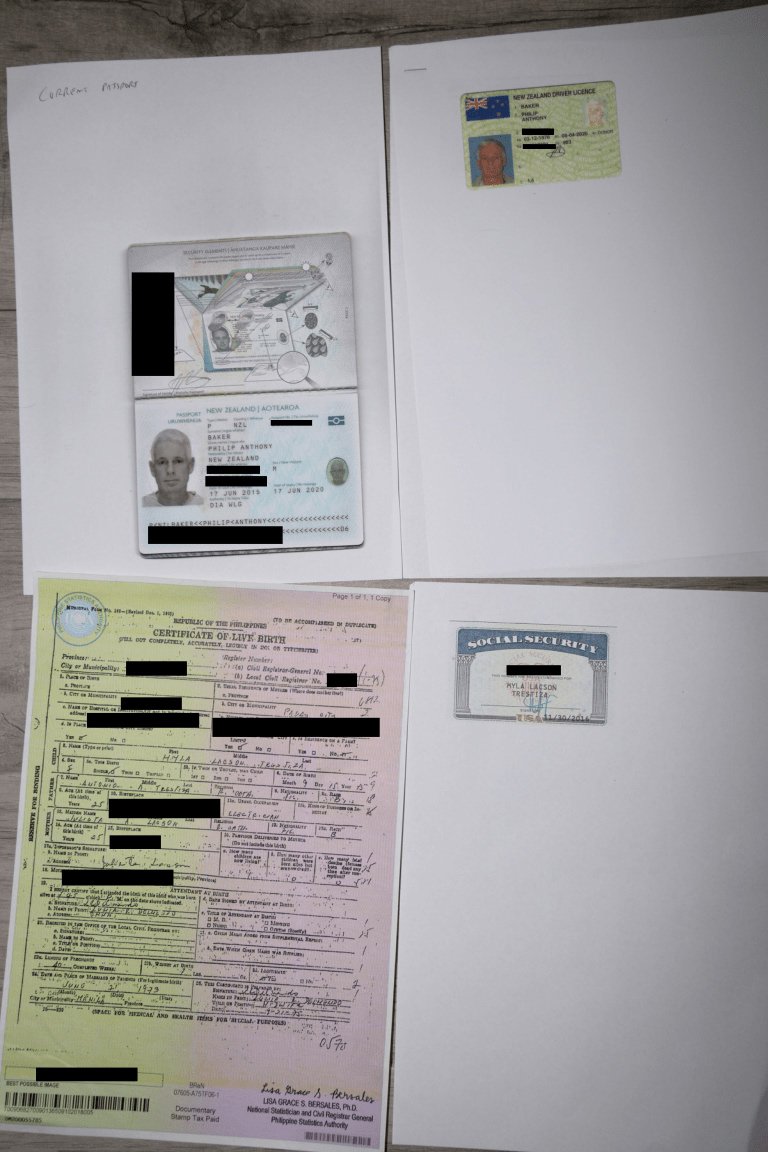
Image source: Wikimedia Commons / Federal Bureau of Investigation
Identity, Age, and Citizenship Documents
Identity documents prove who your parent is. A government photo ID works, but expired ones don't. If your parent never had a driver's license, a state ID card or passport works.
A birth certificate proves age and citizenship.
If you need a benefit verification letter, you can pull it online in minutes. That letter often replaces a missing Social Security award notice.
Residence, Income, and Asset Proof
Residence proof shows where your parent lives. A utility bill, lease, or mortgage statement works. If they live with you, you'll need a letter from you plus your own proof of address.
Income proof includes Social Security letters, pension statements, and pay stubs. Asset proof includes bank statements, investment accounts, and property deeds. For Medicaid and SSI income rules, the limits are strict.
Even a small pension can change eligibility.
Medical, Functional, and Care Need Records
Medical records are critical for care-based programs. A doctor's letter stating why your parent needs help carries weight. Functional assessments that count ADLs and IADLs are often required.
These documents show the human need behind the numbers.
Legal Authority and Consent Forms
Legal authority forms let you act for your parent. A durable power of attorney or guardianship order is essential. Without it, the agency won't talk to you.
HIPAA release forms let doctors share records. Get these signed before you start gathering anything else.
Program-by-Program Document Requirements: Medicaid, VA, SSI, SNAP, and Housing
Each program has its own rules. If you apply for Medicaid long-term care, you'll need five years of financial records. If you apply for VA Aid & Attendance, you'll need military discharge papers and a doctor's statement.
SSI and SNAP focus on income and resources. HUD housing wants proof of citizenship and rent burden.
| Program | Key Documents | Look-Back |
|---|---|---|
| Medicaid | 5 years bank statements, medical assessment, POA | 5 years |
| VA Aid & Attendance | DD-214, VA form 21-2680, income proof | 3 years |
| SSI | SSA-8000, income/asset proof, living arrangement | None |
| HUD Section 8 | HUD-92006, citizenship, income, lease | None |
Medicaid Long-Term Care and HCBS Waiver Documents
Medicaid is the biggest payer for long-term care. The application asks for every bank statement from the past five years. You'll also need a functional assessment and a plan of care.
If your parent transferred assets, you'll need those records too. For SSI recipients, the resource limits for couples are especially tight.
VA Aid & Attendance and Housebound Documents
VA benefits require a different packet. You'll need a DD-214 to prove military service. VA form 21-2680 asks a doctor to describe daily care needs.
Income and asset proof still applies. The VA also uses a three-year look-back.
SSI, Medicare Savings Programs, and SNAP Documents
SSI and SNAP focus on income and living expenses. You'll need proof of rent, utilities, and who lives in the home. Medicare Savings Programs help with premiums.
If your parent is a noncitizen, disability payments may still be possible.
HUD Section 8 and Section 202 Housing Documents
Housing assistance wants proof of citizenship or eligible immigration status. You'll also need income verification and a lease or rent statement. HUD form 92006 explains your rights.
These documents are simpler than Medicaid, but still easy to get wrong.
Risk Factors: Income, Asset, and Look-Back Paperwork That Gets Applications Denied
The look-back period is where most applications fail. Medicaid reviews five years of bank statements, cancelled checks, and property records. VA reviews three years.
If you transferred assets for less than fair market value, you'll face a penalty period.
Countable assets include cash, stocks, and second homes. Excluded assets often include your primary home, one car, and personal belongings. But rules vary by state.
What counts in Texas may not count in California.
Medicaid 5-Year Look-Back and Asset Transfer Penalties
Medicaid looks at every transfer since 2021. Gifts to grandchildren, property sold below value, and large cash withdrawals all get scrutinized. If the state finds a penalty, your parent loses coverage for a set number of months.
The penalty divisor varies by state.
VA 3-Year Look-Back and Fiduciary Paperwork
The VA checks three years of financial activity. If you transferred assets to qualify, the VA may impose a penalty. You'll also need to name a fiduciary if your parent can't manage benefits.
That fiduciary must pass a background check.
Countable vs Excluded Assets and Spend-Down Records
Spend-down means using excess assets on care before Medicaid kicks in. You'll need receipts for every payment. Keep those records safe.
The Social Security Administration publishes detailed rules on income and resource limits.
Bank Statements, Tax Returns, and Verification Letters
Bank statements must be complete. Missing pages or months will trigger a request for more. Tax returns and IRS transcripts help verify income.
If your earnings record has errors, fixing them early prevents bigger problems.
Legal Authority Documents: Power of Attorney, Guardianship, and Representative Payee
You can't just show up and apply for your parent. You need legal authority. A durable power of attorney lets you handle financial and healthcare decisions.
A guardianship or conservatorship court order gives broader control. A representative payee manages Social Security benefits.
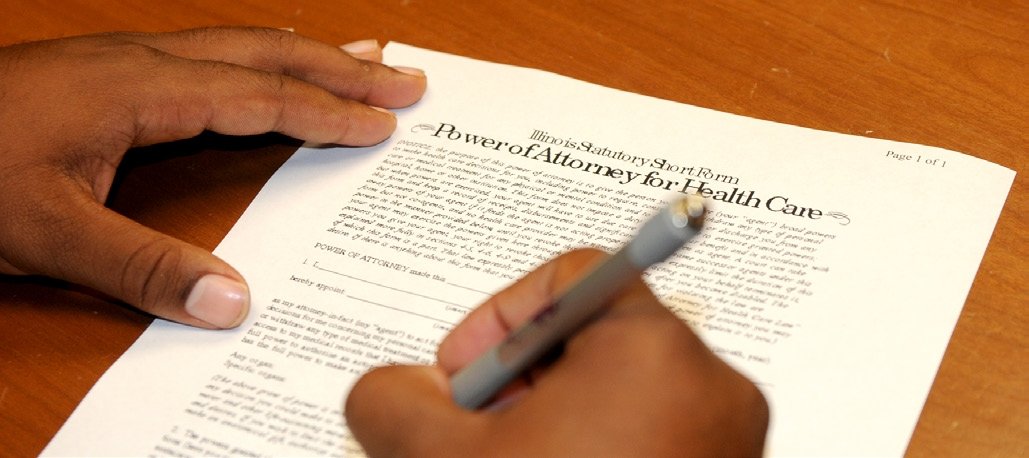
Image source: Wikimedia Commons / James D. Sims
Durable Power of Attorney for Benefits and Care
Durable POA must be signed and notarized. Some states require specific wording. If the POA is old or vague, agencies may reject it.
Check the document before you rely on it. A good POA names you as agent and spells out your powers.
Guardianship and Conservatorship Court Orders
Guardianship requires a court hearing. It's expensive and slow, but sometimes necessary. Conservatorship is similar but usually covers finances only.
You'll need certified copies of the court order. Agencies won't accept a photocopy.
Representative Payee and VA Fiduciary Forms
Representative payee forms come from the SSA. You'll need to apply and pass a review. VA fiduciary forms come from the VA.
Both roles require annual accounting. If you lose a benefit card, replacing a lost benefit card is straightforward, but you still need to report it.
HIPAA Authorization and Release of Information
HIPAA authorization lets doctors share records. Without it, you can't get the medical proof you need. Release of information forms are usually one page and easy to sign.
For widowed parents, survivor benefits after remarriage can affect income proof. For divorced parents, benefits after age 62 may add another income source to document.
Safe Practices: How to Gather, Organize, and Submit Elderly Assistance Documents
Treat the application like a project, not a form. Set up one folder, physical or digital, and keep everything in it. Every document gets a label with the date you collected it.
That single habit prevents most last-minute scrambles.
Start the checklist before you contact any agency. Waiting until an application arrives means you're already behind.
Build a Master Document Checklist Before You Apply
List every program you plan to apply for in one column. Then list the documents each one requires. You'll spot the overlap fast.
A birth certificate and Social Security card serve every program on the list.
Group the documents into five buckets: identity, income, assets, medical, and legal. Check off each item as it lands in the folder. Anything you can't find goes on a separate to-do list with a deadline attached.
Request Certified Copies and Track Every Submission
Vital records take time. A certified birth certificate can take two to six weeks by mail. Order two copies, not one.
Agencies sometimes keep what you send.
Keep a simple log with four columns: document, date requested, date received, date submitted. If you're chasing a payment that's late, that log becomes your proof. If you need a fresh income letter, you can often download one the same day.
Handle Signatures, Notarization, and Electronic Filing Correctly
Check every form for signature and date lines. Unsigned forms get returned without review. Some states also require a notary witness for power of attorney and transfer documents.
Electronic filing works for many programs now. Scanned documents must be legible and straight. Blurry photos of bank statements get rejected.
Name each file clearly, like "March-2026-bank-statement.pdf," so reviewers don't guess.
Keep Copies for Appeals, Recertification, and Estate Recovery
Never mail your only copy of anything. Make two copies of every packet before it leaves your hands. One stays in the folder.
One goes to a second family member or a safe deposit box.
Recertification comes around every year for most programs. You'll resubmit much of the same paperwork. Having last year's packet on hand cuts that job down to an afternoon.
It also protects you if the state later pursues estate recovery.
Common Mistakes, Red Flags, and Fraud Risks in Elderly Assistance Applications
Most denials trace back to small, fixable errors. The paperwork looked fine to the family. It didn't look fine to the reviewer.
Here's what trips people up most often.
Name, Date, and Address Mismatches
Names change. Marriage, divorce, and immigration all leave a trail of different spellings. If the birth certificate says "Margaret" and the bank statement says "Maggie," expect a question.
Addresses cause the same trouble. A parent who moved in with a daughter three months ago has two addresses in play. Include a short cover letter explaining any address change.
It saves a round of phone calls.
Unsigned, Undated, or Outdated Forms
Agencies won't process an unsigned form. They also reject stale versions. Program forms get revised, and the old version stops being accepted.
Check the revision date in the corner of every page. If your form was printed two years ago, download a fresh one. Then sign and date it the same day you mail it.
Missing Medical Necessity and Functional Assessment Proof
Care-based programs need proof of need, not just proof of poverty. A diagnosis alone rarely qualifies anyone. The record must show how the condition limits daily life.
Ask the doctor to describe specific tasks your parent can't do alone. Bathing, dressing, cooking, and managing medication all count. Vague letters get ignored.
Detailed ones move applications forward.
Identity Theft, Undue Influence, and False Statements
Guard your parent's documents like cash. A Social Security number and a birth date are enough to open fraudulent accounts. Share copies only with agencies you contacted directly.
Watch for pressure from anyone offering to "speed up" an application for a fee. That's a classic scam. If something feels off, flagging suspected fraud early protects your parent and everyone else in the queue.
Never sign a form you haven't read in full.
When to Seek Help: Elder Law Attorneys, Case Managers, and Area Agencies on Aging
You don't have to do this alone. Plenty of free and low-cost help exists. Knowing which type of help you need saves both time and money.
Signs You Need an Elder Law Attorney
Hire an attorney when assets are complicated. Real estate in two states, a trust, or a business interest all raise the stakes. A denied Medicaid application with a penalty attached is another clear signal.
Attorneys also handle guardianship petitions. Those require court filings and a hearing. The rules on whether SSI income blocks coverage can get tangled too.
A specialist untangles them faster than you can.
How Case Managers and Social Workers Help
Hospital discharge planners and county case managers do this daily. They know which forms your local office actually wants. They can also fast-track a functional assessment.
Ask the hospital social worker before discharge. Ask the county office when you call about housing help. These people aren't there to judge.
They're there to move paperwork.
Free Help From Area Agencies on Aging and Eldercare Locator
Every state runs an Area Agency on Aging. These offices offer benefits counseling at no cost. The federal Eldercare Locator connects you to the one covering your parent's ZIP code.
The Social Security Administration also publishes plain-language rules on income and resources. Read those before you assume your parent earns too much. The income rules when family shares a home often surprise people.
What to Prepare Before Your First Appointment
Bring a one-page summary of your parent's situation. Include income sources, assets, living arrangement, and the help you're seeking. Bring every document you've already gathered, even the incomplete ones.
Write down your three biggest questions. Appointments run short. A written list keeps you on track.
Ask what the office needs next and when they need it.
Final Decision Guide: What a Complete Elderly Assistance Packet Looks Like
Before you submit, run the packet through a final check. A complete packet is organized, consistent, and dated. Anything less invites a request for more information.
| Benefit Type | Must-Have Documents | Watch Out For |
|---|---|---|
| Medicaid long-term care | 5 years of bank statements, POA, functional assessment | Gaps in statement months |
| VA Aid & Attendance | DD-214, VA form 21-2680, income proof | Missing doctor statement |
| SSI or SNAP | SSA-8000, rent and utility proof | Unreported household members |
| Housing assistance | Citizenship proof, income verification | Expired lease |
Red Flags That Mean Do Not Submit Yet
Pause if any statement is missing a month. Pause if two documents show different addresses with no explanation. Pause if the power of attorney is older than five years and never reviewed.
Also pause if you haven't checked the asset ceiling for couples. Going over by a few thousand dollars can trigger a denial. Fix the gap before you file, not after.
Timeline, Copies, and Follow-Up Plan
Expect 45 days for a Medicaid decision and longer for appeals. Keep your submission log handy. Call to confirm receipt about two weeks after mailing.
If you moved recently, tell the agency in writing. A payment date can shift after a bank update, and checks sometimes stall. If a card goes missing, replacing a card that went missing takes one phone call, but only if the agency has your current address.
FAQs About Application Documents for Elderly Assistance
What documents are required for elderly assistance applications?
Most programs ask for photo ID, proof of age and citizenship, proof of residence, income records, and asset statements. Care-based programs also want medical records and a functional assessment. If someone else applies on your parent's behalf, add a power of attorney or guardianship order plus a HIPAA release.
Can I apply for elderly assistance on behalf of my parent?
Yes, if you hold legal authority. A durable power of attorney covers most applications. Guardianship or conservatorship court orders cover broader decisions.
Without one of those documents, agencies won't discuss the case with you. Get the paperwork signed while your parent can still consent.
What if my parent has no birth certificate or ID?
You can request a replacement birth certificate from the state vital records office. If no record exists, agencies often accept alternative proof. A passport, baptismal record, census record, or signed affidavit may work.
Call the agency first and ask what they'll accept before you spend money.
How far back do Medicaid and VA look at bank statements?
Medicaid reviews five years of financial records in most states. The VA uses a three-year look-back. Both look for gifts, transfers below fair market value, and unexplained withdrawals.
Keep every statement, cancelled check, and receipt from that window. Missing months are a common reason applications stall.
Is a Power of Attorney enough for a Medicaid application?
Usually, yes, if the document is durable and properly notarized. Some states require specific language granting benefits authority. Older POAs sometimes get rejected because the wording is too narrow.
Review the document with an elder law attorney before you rely on it.
What should I do if my application is denied?
Read the denial letter carefully. It states the reason and the appeal deadline. Most appeals must be filed within 30 to 90 days.
Request the case file so you can see what the reviewer relied on. Then fix the specific gap and appeal rather than filing a brand-new application.
Pingback: * How to Apply for Survivor Benefits for Children - OMAGOUS
Pingback: * Free Financial Assistance for Low Income Seniors - OMAGOUS