
Your SSI payment stopped after address change, and now you're staring at an empty bank account. That's a terrifying spot for anyone relying on Supplemental Security Income to cover rent, food, or medicine. The Social Security Administration doesn't pause benefits to punish you.
A move often triggers a chain of automated checks that can freeze your money fast.
In our research, the most common trigger is returned mail. SSA sends a notice to your old address. The U.S.
Postal Service doesn't forward government checks or certain notices. When that mail bounces back, SSA flags your record as "whereabouts unknown." As of 2026, the federal benefit rate for an individual is $967 per month. Losing even one payment can mean missing a housing payment.
So why does this happen, and how do you fix it?
Quick Answer
Your SSI payment stopped after address change. SSA could not confirm your new residence. SSA may have flagged your record as whereabouts unknown.
Returned mail or an outdated bank account can freeze payments. Report your new address immediately. Call SSA at 1-800-772-1213 or update it online.
Payments usually restart within 30 to 60 days after verification.
Why an SSI Payment Stopped After an Address Change Is a Five-Alarm Financial Emergency
A stopped SSI payment is not a minor inconvenience. For most recipients, it is the difference between having a roof and sleeping outside. The program is a lifeline for people who are aged, blind, or disabled.
They often have no other income. When that payment stops, the clock starts ticking on eviction, utility shutoff, and hunger.
Here is what you are up against within days of a missed payment:
- Your landlord may file for eviction. Many leases have a grace period of only 3 to 5 days.
- Your electricity or gas can be disconnected. Utility companies often require a large deposit to reconnect.
- You may run out of food. SNAP benefits are separate and may not cover the gap.
- You could miss critical medical appointments. Medicaid coverage can also be tied to SSI eligibility.
- The stress alone can worsen health conditions. That makes it harder to fight the suspension.
The worst part is the confusion. You did the right thing. You reported your move.
But SSA's system still flagged your record. That happens more often than you'd think. A single returned envelope can trigger a "whereabouts unknown" suspension.
The agency then stops payments until you prove you still exist and still qualify.
Even a short suspension can trigger a cascade. Your state supplement may stop. Your Medicaid case may be reviewed.
Your SNAP benefits could be reduced if SSA reports you as not receiving SSI. These linked programs often talk to each other. One glitch becomes a full financial shutdown.
You cannot wait for SSA to fix this on its own. Every day you wait, your risk of losing housing or medical care grows. In our research, the average SSI recipient gets about $700 per month after Medicare premiums.
That is below the federal poverty line. There is no cushion. This is not a drill.
It is a five-alarm emergency because you have no savings to fall back on.
The Real Reasons SSA Stops SSI After You Move: Returned Mail, Whereabouts Unknown, and Address Mismatch
The Social Security Administration does not stop your SSI because you moved. It stops because something in the system failed after you moved. Here are the most common culprits.
Returned Mail
SSA sends a notice to your old address. The U.S. Postal Service does not forward government checks or certain official mail.
If that envelope comes back, SSA flags your record. That flag is called "whereabouts unknown." Payments stop immediately.
USPS Forwarding Does Not Update SSA
Many people think a change of address with the post office is enough. It is not. USPS forwarding is temporary.
SSA needs to hear from you directly. If you only tell USPS, your SSA record still shows the old address. The next payment goes to the wrong place.
Direct Deposit Goes to the Wrong Bank
You changed your address. But did you change your bank account? If you closed your old account, your direct deposit bounces.
SSA gets a return notice from the bank. That can also trigger a suspension. The same thing happens with a Direct Express card if the card mail is returned.
Address Mismatch Between SSA and Your Bank
SSA requires your bank account name and address to match your SSA record. If you update SSA but not your bank, or vice versa, the payment can be rejected. This is a silent killer.
No one tells you until the money doesn't show up.
You Moved to a New State
If you cross state lines, your SSI amount can change. Some states add a supplement. Others do not.
SSA must recalculate your payment. During that recalculation, your benefits may pause. That pause feels like a stop, but it is a processing delay.
You Did Not Report the Move Within 10 Days
SSI rules require you to report a change of address within 10 days. If you miss that window, SSA may treat the move as unreported. That can lead to an overpayment.
Overpayments are recovered by reducing or stopping future payments.
The common thread is simple. SSA needs to know exactly where you live and how to pay you. Any gap in that chain can freeze your money.
Core SSA Rules That Decide Whether Your SSI Restarts or Stays Suspended
The rulebook is in the Program Operations Manual System (POMS) and the Code of Federal Regulations. You need to know the rules that can keep your payment frozen.
The 10-Day Reporting Rule
You must report any change that affects your SSI within 10 days. That includes a new address. The clock starts on the day you move.
If you report late, SSA can assume you were overpaid.
Physical Address Requirement
SSA needs a physical address where you can receive mail. A P.O. Box alone is not enough.
If you are homeless, you can use a shelter, a relative's address, or general delivery.
Living Arrangement Rules
Your living arrangement affects your payment. If you move in with someone who pays your bills, that is in-kind support and maintenance. It can reduce your SSI.
If you move into a nursing home, your payment may drop to $30 per month.
State Supplement Rules
Some states add money to the federal SSI payment. California, New York, and Massachusetts are examples. If you move out of a supplement state, your payment drops.
If you move into one, it may rise. SSA must recalculate.
Overpayment Recovery Rules
If SSA thinks you were overpaid, they will recover the money. They can reduce your monthly payment by 10% or more. In some cases, they stop payments entirely until the debt is settled.
Appeal Rights
If your SSI is suspended or terminated, you have the right to appeal. You have 60 days to request reconsideration. If you appeal within 10 days, your benefits can continue while the appeal is pending.
Here is a quick table of rules and consequences:
| Rule | What Happens If You Break It |
|---|---|
| Report move within 10 days | Overpayment, possible suspension |
| Provide physical address | Whereabouts unknown flag, payment stop |
| Report living arrangement | Incorrect payment, overpayment |
| Report state move | Delay while SSA recalculates |
These rules are not suggestions. They are conditions for getting paid. But once you understand them, you can take action.
How to Report Your Address Change the Right Way: Online, Phone, In Person, or by Mail
You have four ways to report a new address to SSA. Each has pros and cons. The best choice depends on your situation.
If you need speed, go online. If you need help, go in person. Never rely on mail alone.
Online: Best for Speed
The fastest way is through your my Social Security account at ssa.gov/myaccount. Log in and update your address. You will get a confirmation.
This method works 24/7. It is best if you are comfortable with computers.
Phone: Best for Questions
Call SSA at 1-800-772-1213. TTY users can call 1-800-325-0778. Be ready for long hold times.
The best time to call is early morning or late afternoon. Have your Social Security number and new address ready. Ask for a confirmation number.
In Person: Best for Complex Cases
Visit your local SSA field office. You may need an appointment. Call first to schedule one.
Bring proof of your new address. A lease, utility bill, or rent receipt works.
By Mail: Slowest and Riskiest
You can mail Form SSA-795 to your local office. But this is the worst option. Mail gets lost.
It takes weeks. If SSA does not receive it, your payment stops again. Only use mail if you have no other choice.
Don't Forget Your Bank and Direct Express
Reporting to SSA is not enough. You must also update your bank or Direct Express. Call your bank or log in to your account.
Change your address there too. If you have a Direct Express card, call the number on the back.
Here is a comparison table:
| Method | Speed | Best For | Risk |
|---|---|---|---|
| Online | Fast | Most people | None if confirmed |
| Phone | Medium | Questions | Long waits |
| In person | Slow | Complex cases | Appointment needed |
| Very slow | Last resort | Lost mail |
No matter which method you choose, keep proof. Write down the date, time, and who you spoke to. That record protects you if SSA later claims you never reported.
Direct Deposit, Direct Express, and Paper Checks: What to Fix First When the Money Disappears
Your payment method is the next thing to check. Even if SSA has your new address, the money can still disappear. Here is what to fix first for each payment type.
Direct Deposit
Direct deposit is the safest way to get SSI. But it fails if your bank account is closed or your address is outdated. Call your bank.
Confirm your account is open and your address matches your SSA record. If the bank rejected a deposit, ask why. Get the rejection code.
Then call SSA and give them that code. They can reissue the payment.
Direct Express Card
Direct Express is a prepaid debit card for people without bank accounts. The card is mailed to your address. If you moved and did not update your address, the card may have been returned.
Call Direct Express at the number on the back of your card. If you don't have the card, call SSA. They can help you get a new one.
But first, make sure SSA has your correct address.
Paper Checks
Paper checks are the riskiest payment method. The U.S. Postal Service does not forward government checks.
If you move and do not tell SSA, your check goes to the old address. It will be returned. SSA will then suspend your payments.
If you still get paper checks, switch to direct deposit or Direct Express immediately. It is safer and faster.
What to Do If Your Payment Was Returned
If your payment was returned to SSA, you need to act fast. Call SSA at 1-800-772-1213. Tell them your payment was returned.
Ask them to reissue it. They may need to verify your address first. This can take 30 to 60 days.
Update Everything at Once
Do not update one thing and forget the rest. Update SSA, your bank, Direct Express, and your state Medicaid office. A single mismatch can freeze your money again.
Here is a quick checklist:
- Call SSA and confirm your address.
- Call your bank and confirm your address and account status.
- Call Direct Express if you use that card.
- Update your state Medicaid and SNAP offices.
- Keep a written record of every call.
State Supplements, Living Arrangements, and Medicaid: Hidden Triggers After a Move
Moving to a new state can change your SSI amount. Some states add a supplement to the federal payment. California, New York, and Massachusetts are examples.
If you move out of a supplement state, your payment drops. If you move into one, it may rise. SSA must recalculate your benefit.
But the bigger trigger is your living arrangement. If you move in with family who pay your bills, that counts as in-kind support and maintenance. SSA can reduce your SSI by up to one-third of the federal benefit rate.
That is about $322 per month in 2026.
Moving into a nursing home or hospital can cut your SSI to $30 per month. That is the personal needs allowance. If you stay more than 90 days, your payment may stop entirely.
You must report these changes within 10 days.
Medicaid is tied to SSI in most states. If your SSI stops, your Medicaid may stop too. That means you lose doctor visits, prescriptions, and hospital care.
You must contact your state Medicaid office separately. Do not assume they know about your move.
Here is a quick table of state supplement examples:
| State | Monthly Supplement (Individual) |
|---|---|
| California | $160.72 |
| New York | $87.00 |
| Massachusetts | $114.00 |
| Texas | $0 |
These numbers change each year. Always check your state's current amount.
Step-by-Step Recovery Plan: What to Do in the First 24 Hours, First Week, and First Month
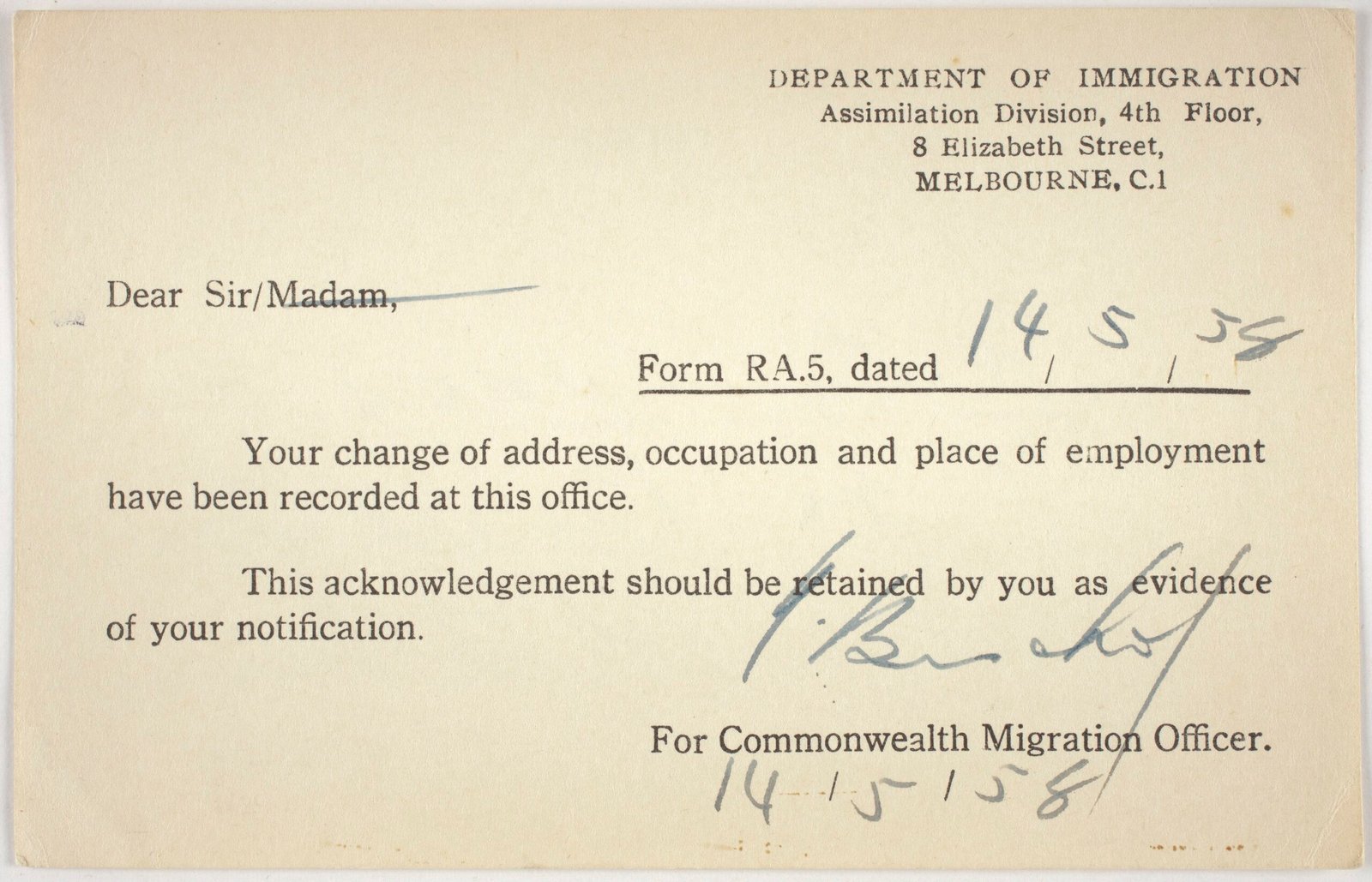
Image source: Openverse / Openverse contributor (PDM 1.0)
Act fast. The first 24 hours matter most. Here is your recovery plan.
Within 24 hours:
- Call SSA at 1-800-772-1213. Tell them your payment stopped. Ask why.
- Confirm your address on record. Update it if needed.
- Check your bank account or Direct Express card. Make sure your address matches.
- Write down the name of the person you spoke to. Get a confirmation number.
Within the first week:
- Visit your local SSA field office if the phone call did not fix it. Bring proof of your new address.
- File a request for reconsideration if your benefits were suspended or terminated. You have 60 days.
- Ask for a benefit verification letter. That proves your SSI status to landlords and Medicaid.
- Contact your state Medicaid office. Tell them about the move and the payment stop.
Within the first month:
- Follow up with SSA every week. Ask for a status update.
- If you filed an appeal, ask for benefits to continue while the appeal is pending. You must request this within 10 days of the suspension notice.
- Update your SNAP caseworker. SNAP benefits can be affected by SSI changes.
- Keep copies of every document. Put them in one folder.
If you do not get a payment within 30 days, contact your local congressional office. They can make an inquiry on your behalf. That often speeds things up.
Mistakes That Turn a Temporary Stop into a Long-Term Termination and How to Avoid Them
The biggest mistake is waiting. Every day you wait, your case gets harder to fix.
SSA moves slowly. If you do not follow up, your file can sit for months.
Another mistake is not documenting your calls. SSA may claim you never reported the move. Without a record, you cannot prove you did.
Always write down the date, time, and name of the person you spoke to. Ask for a confirmation number.
Do not ignore SSA notices. Even if you do not understand them, open them. Call SSA and ask what they mean.
If you miss a deadline, you can lose your right to appeal.
Do not assume your bank or Direct Express will fix it. You must update your address with them separately. If your bank rejects a deposit, SSA may suspend your payments again.
Do not move without reporting it. Even if you are just staying with a friend for a few weeks, report it. SSA needs to know where you are.
If you do not, they can flag you as whereabouts unknown.
Do not provide false information. That can lead to fraud charges. Be honest about your living arrangement and who pays your bills.
Avoid these mistakes by staying organized. Keep a folder with all your SSA letters. Set reminders on your phone.
Call SSA every week until the problem is fixed.
When to Get Help, How to Appeal, and What Documents Prove Your Case
Get help if you have appealed and SSA still has not fixed the problem. You can contact a legal aid office or a disability advocate. They can help you file appeals and talk to SSA.
Many services are free for low-income people.
The appeal process has four levels. First, reconsideration. You file Form SSA-561.
Second, a hearing before an administrative law judge. Third, the Appeals Council. Fourth, federal court.
You have 60 days at each level.
Documents that prove your case:
- A lease or rent receipt with your new address.
- A utility bill in your name.
- Your Social Security card and photo ID.
- Bank statements showing your direct deposit.
- Copies of SSA notices you received.
- A written log of every call you made to SSA.
Keep these documents in a safe place. Bring copies to every appointment. Never give away your only copy.
If you cannot afford a lawyer, call your local Legal Aid. They handle SSI cases for free. You can also ask your congressional representative for help.
They can contact SSA directly.
FAQs: SSI Payment Stopped After an Address Change
Why did my SSI payment stop right after I changed my address?
SSA likely flagged your record as whereabouts unknown. That happens when mail is returned. It can also happen if your bank rejected a deposit.
Call SSA at 1-800-772-1213 immediately. Ask them to check your address and payment status.
Does USPS mail forwarding update my address with Social Security?
No. USPS forwarding is temporary and does not update your SSA record. You must report your new address directly to SSA.
Do it online, by phone, or in person. If you only tell USPS, your SSI payment can still stop.
Can SSA stop my SSI if my check is returned as undeliverable?
Yes. If SSA mails a notice or payment and it comes back, they suspend your benefits. They assume you moved without telling them.
You must call SSA and give them your new address. Then they can restart payments.
How do I report a new address to SSA for SSI?
Log in to your my Social Security account at ssa.gov/myaccount. Or call 1-800-772-1213. You can also visit a local field office.
Bring proof of address like a lease or utility bill. Always get a confirmation number.
What if I moved to a different state and my SSI stopped?
Moving to a new state can change your SSI amount. Some states add a supplement. Others do not.
SSA must recalculate your payment. During that time, your benefits may pause. Call SSA to confirm your new state and address.
How long does it take SSA to restart SSI after an address change?
It usually takes 30 to 60 days. The exact time depends on how fast SSA verifies your address. If you filed an appeal, it can take longer.
Call SSA every week to check the status. Ask for a supervisor if it takes too long.
Can I get my missing SSI payment back?
Yes. If SSA suspended your payment, they owe you the money once you fix the address issue. Call SSA and ask for a reissue.
If the payment was returned, they will send it to your new address. This can take 30 days.
What is a whereabouts unknown suspension?
It is a flag SSA puts on your record when they cannot reach you. It usually happens when mail is returned. SSA stops your payments until you prove where you live.
Call SSA and give them your new address to remove the flag.
Will moving in with family or into a facility stop my SSI?
Moving in with family can reduce your SSI if they pay your bills. That is in-kind support. Moving into a nursing home can cut your payment to $30 per month.
You must report these changes within 10 days. SSA will adjust your payment.
What should I do if my Direct Express card or bank account changed?
Call Direct Express or your bank first. Update your address and account status. Then call SSA and give them the new information.
If you do not, your payment can be rejected. Always keep your address the same everywhere.