
Losing a parent turns a child's world upside down. You may wonder if Social Security benefits for children of deceased parents can help. The answer is often yes.
But the rules are strict.
As of 2026, a surviving child can receive up to 75% of the deceased parent's basic benefit. The Social Security Administration (SSA) also pays a one-time lump sum of $255. Our research shows many families miss these payments because they don't know the child qualifies.
Let's walk through who qualifies and how to apply.
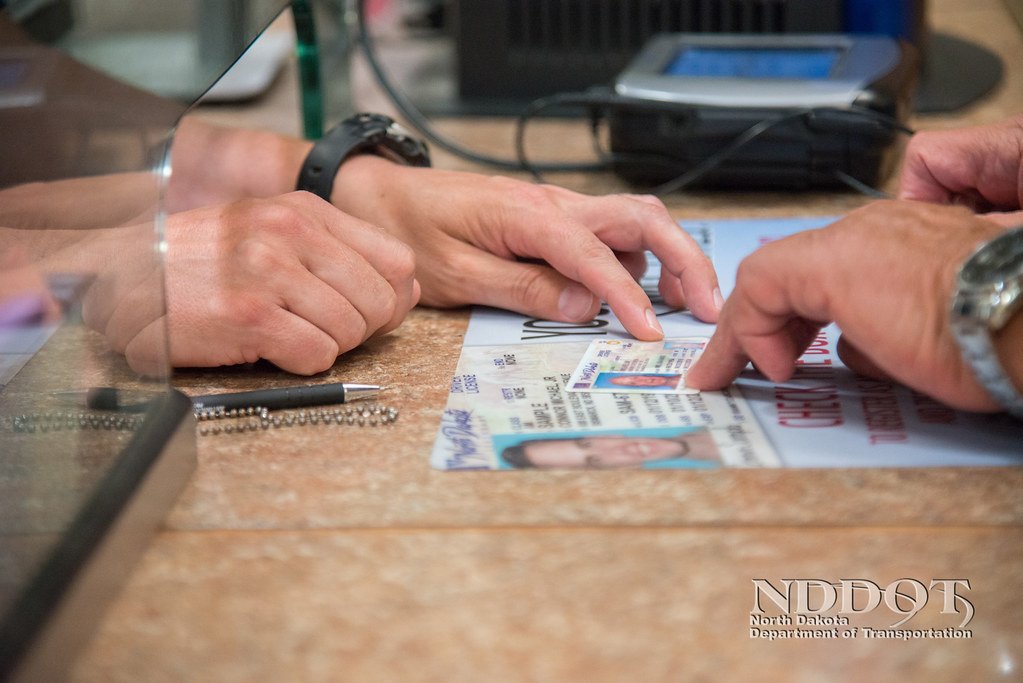
Image source: Openverse / NDDOT Photos (PDM 1.0)
Why Accuracy Matters for Social Security Benefits for Children of Deceased Parents
Wrong information here can cost your family thousands. A missed form or a wrong answer on an application can delay payments for months. In some cases, it can reduce the total amount a child receives.
The SSA follows a strict rulebook called the Program Operations Manual System (POMS). Our research shows that generic advice often skips the details that matter. For example, many people don't know that a stepchild or grandchild can qualify under certain conditions.
Others assume a child must live with a parent. That's not always true.
High stakes mean you need verified facts. The SSA's official website at ssa.gov is the only source you should trust for final rules. Blogs and forums often repeat outdated numbers.
A single wrong claim about work credits or dependency can sink an application.
Here's what makes this topic risky:
- Financial loss: A denied claim means no monthly income for a child who needs it.
- Delays: SSA processing already takes weeks or months. Mistakes add more time.
- Overpayments: If you report wrong information, SSA may demand money back later.
- Tax surprises: Survivor benefits can be taxable depending on total income.
- Legal trouble: Misusing a representative payee account can lead to fraud charges.
You don't need to be a lawyer to get this right. You do need to check every claim against SSA rules. That's what we'll do next.
Quick Answer: Who Qualifies for Child Survivor Benefits
A child may qualify for Social Security benefits if a parent dies. The child must be under 18, or 18-19 and in full-time school. The child must be unmarried.
The deceased parent must have enough work credits. Benefits are 75% of the parent's basic amount.
Now let's expand that answer. The SSA calls these payments "child's insurance benefits." They are a type of survivors benefit. The program covers biological children, adopted children, and sometimes stepchildren or grandchildren.
Dependency is the key. A biological child usually qualifies automatically. A stepchild must have lived with the deceased stepparent for at least one year before death.
A grandchild can qualify if the grandparent was the primary caregiver and the child's own parents are deceased or disabled.
Age rules matter too. Benefits stop at 18 unless the child is still in high school full time. Then they can continue until age 19.
A disabled child who became disabled before age 22 can receive benefits for life under the Disabled Adult Child (DAC) program.
The deceased parent needs work credits. Younger workers need fewer credits. For example, a person who died at age 28 may need only 6 credits.
Older workers need up to 40 credits. Our research shows this is the most common reason a claim gets denied.
Core Rules: Work Credits, Dependency, and the Family Maximum
Three rules decide almost every case. Work credits, dependency, and the family maximum. If you understand these, you can predict your child's eligibility and payment range.
Work credits are like stamps earned by working and paying Social Security taxes. In 2026, you earn one credit for every $1,810 in wages, up to 4 credits per year. The number needed for survivors benefits depends on the parent's age at death.
Here's a simple table:
| Parent's age at death | Credits needed |
|---|---|
| Under 24 | 6 |
| 24 to 30 | 6 to 20 |
| 31 to 42 | 20 to 40 |
| 43 or older | 40 |
Dependency rules are next. A biological child is always dependent. A stepchild needs proof of living with the stepparent for 1 year.
A grandchild needs proof the grandparent had custody and the child's parents are not providing support.
The family maximum is a cap. SSA won't pay more than 150% to 180% of the deceased parent's basic benefit to all survivors combined. If two children and a surviving spouse all qualify, their checks get reduced proportionally.
If only one child qualifies, that child usually gets the full 75%.
What You’ll Get: Payment Amounts, COLA, and the Lump-Sum Death Payment
Each eligible child can receive up to 75% of the deceased parent's Primary Insurance Amount (PIA). The PIA is the basic benefit the parent would have received at full retirement age. If the parent died young, the PIA is based on their average earnings.
The family maximum changes the math. Suppose the deceased parent's PIA is $2,000. One child gets $1,500 (75%).
Two children would each get $1,500, totaling $3,000. But the family maximum might be $3,600. In that case, each child gets $1,800?
No, the cap is 150% to 180% of PIA. So $3,600 is 180% of $2,000. The two children split $3,600, so each gets $1,800.
That's actually more than 75% each. But if the cap were $3,000, each would get $1,500.
Cost-of-living adjustments (COLA) raise benefits each year. As of 2026, the COLA was 2.5%. That means a $1,500 monthly benefit becomes $1,537.50.
SSA applies COLA automatically. You don't need to apply.
The lump-sum death payment is $255. SSA pays it to a surviving spouse who lived with the deceased. If there's no spouse, it can go to a child who was living with the deceased.
You must apply within two years of death. Many families miss this small but real payment.
Step-by-Step: How to Apply for Social Security Benefits for Children of Deceased Parents
Applying takes patience. But if you gather the right documents first, you can avoid delays. Follow these steps.
Report the death to SSA. Call 1-800-772-1213. Funeral homes often report deaths, but you should confirm. SSA will schedule an appointment.
Gather documents. You'll need the child's birth certificate, the deceased parent's Social Security number, the death certificate, and your own ID. For stepchildren or grandchildren, add proof of dependency like school records or custody orders.
Complete form SSA-4. This is the Application for Child's Insurance Benefits. You can fill it out online or at an SSA office. If you are the surviving parent caring for a child under 16, also file form SSA-5 for mother's or father's benefits.
Submit and wait. SSA will review your claim. Processing can take 30 to 90 days. You may receive retroactive benefits for up to 6 months before your application date.
Set up direct deposit. Once approved, SSA deposits payments monthly. You'll get an award letter explaining the amount.
Report changes. Tell SSA if the child marries, leaves school, moves, or becomes disabled. Also report if you change your address or bank account.
Our research shows that missing documents cause most delays. Make copies of everything. Keep a log of dates and names of SSA staff you speak with.
If you get denied, you have 60 days to appeal.
Common Mistakes and Risk Factors That Delay or Reduce Benefits
Missing dependency proof is the most common mistake. SSA needs hard evidence, not your word. For stepchildren, that means school records showing the same address.
For grandchildren, it means custody papers.
Another big error is waiting too long to apply. Retroactive benefits only go back six months. Every month you delay is money lost forever.
Our research shows families often wait because they're grieving. That's understandable, but it costs them.
Filing for the wrong benefit type is another trap. A surviving parent caring for a child under 16 should file for mother's or father's benefits too. Many people only file for the child's benefit and miss their own payment.
Not reporting changes causes overpayments. If your child turns 18 and leaves school, SSA keeps paying unless you tell them. Then they demand the money back.
That can wreck a family's budget.
Underestimating the earnings test is a risk. If the child works and earns above the limit, benefits get reduced. In 2026, the limit is $23,400 for students.
Above that, SSA withholds $1 for every $2 earned.
Assuming college counts is a painful mistake. Benefits stop at 18 unless the child is in high school full time. College does not extend benefits.
Only a disability that began before age 22 does.
Tax surprises catch families off guard too. Survivor benefits can be taxable if the child's total income crosses a threshold. Many parents don't set aside money for that.
The family maximum can also reduce what you expected. If multiple survivors qualify, SSA splits the cap among them. You might get less per child than the 75% figure suggests.
| Mistake | Consequence |
|---|---|
| Missing dependency proof | Denied claim |
| Waiting too long | Lost retroactive pay |
| Not reporting changes | Overpayment demand |
| Ignoring earnings test | Reduced benefits |
| Assuming college counts | Benefits stop at 18 |
Safe Practices: Representative Payee Duties, Reporting Rules, and Legal Compliance
A representative payee is someone SSA appoints to manage benefits for a child. It's usually the surviving parent or guardian. But SSA can appoint someone else if the parent isn't suitable.
The payee has legal duties. You must use the money only for the child's needs. That means food, housing, medical care, and personal items.
You cannot use it for your own bills.
You must keep records. SSA can ask for an accounting at any time. Keep receipts for rent, groceries, and clothing.
If you can't show where the money went, you could be removed as payee.
Reporting rules are strict. Tell SSA within 10 days if the child marries, leaves school, moves, or dies. Also report if you change your address or bank account.
Overpayments are a serious risk. If SSA pays too much, they will demand repayment. You can request a waiver if the overpayment wasn't your fault.
But the process takes time.
Misusing payee funds is fraud. It can lead to criminal charges and repayment orders. Our research shows SSA pursues these cases aggressively.
Legal compliance also means protecting the child's identity. Don't share their Social Security number freely. Watch for identity theft.
If you're a non-custodial parent, you can still be payee. But SSA prefers the custodial parent. If there's a dispute, SSA investigates and decides.
You can also have joint payees in some cases. But SSA rarely approves that. Usually one person handles the money.
When to Seek Help: Appeals, Disability Redetermination, and Expert Advice
If SSA denies your claim, you have 60 days to appeal. The first step is reconsideration. A different SSA reviewer looks at your case.
You can submit new evidence.
If reconsideration fails, you can request a hearing before an Administrative Law Judge (ALJ). This can take months. But many claims get approved at this stage.
The next levels are the Appeals Council and federal court. These are rare. Most cases resolve at the ALJ level.
Disability redetermination is a separate issue. A child who got benefits as a minor must prove disability again at age 18. SSA uses adult rules, which are stricter.
Many children lose benefits at this point.
You can prepare for redetermination. Gather medical records early. Show how the disability limits work and daily life.
Our research shows that detailed evidence improves approval odds.
When should you hire a lawyer? If your case involves a denial, a large overpayment, or a dispute over payee status. Disability attorneys often work on contingency.
That means they get paid only if you win.
Legal aid societies can help low-income families for free. Many offer benefits counseling. Check with your local bar association.
You can also contact your congressional representative. They can't change the law, but they can speed up a stalled case.
SSA also has a formal appeals process published on their website. Read it carefully before you file.
Real Scenarios and Alternatives: Stepchildren, Grandchildren, Disabled Adult Children, and SSI
Stepchildren can qualify if they lived with the deceased stepparent for one year. The marriage must have lasted at least nine months. If the stepparent adopted the child, the adoption overrides the one-year rule.
Grandchildren qualify if the grandparent had custody and the child's parents are deceased or disabled. SSA calls this "child of the grandparent." You'll need court orders or school records proving the arrangement.
Disabled adult children (DAC) get benefits for life if disability began before age 22. They must remain unmarried. If they marry, benefits stop unless the spouse also gets benefits.
SSI for children is different. It's based on family income, not work credits. A child getting survivor benefits might also qualify for SSI.
But SSA reduces SSI by the amount of survivor benefits.
| Benefit type | Based on | Age limit | Marital rule |
|---|---|---|---|
| Child survivor | Parent's work | 18 or 19 | Must be unmarried |
| DAC | Parent's work | No limit | Unmarried |
| SSI child | Family income | 18 | No rule |
Other alternatives exist. VA Dependency and Indemnity Compensation (DIC) helps military families. Railroad Retirement Board (RRB) covers railroad workers.
Workers' compensation death benefits may apply if the parent died on the job.
Life insurance is not a government benefit. But it can fill gaps. Many families rely on it when SSA payments are too small.
If your child gets SSI, report the survivor benefit to SSA. Otherwise you'll face an overpayment.
FAQs About Social Security Benefits for Children of Deceased Parents
How much does a child get from a deceased parent's Social Security?
A child can receive up to 75% of the deceased parent's Primary Insurance Amount. The family maximum caps total payments at 150% to 180%. If multiple survivors qualify, SSA splits the cap.
The exact amount depends on the parent's earnings record.
Can a stepchild get survivor benefits?
Yes, if the stepchild lived with the deceased stepparent for at least one year before death. The stepparent's marriage to the child's parent must have lasted at least nine months. Adoption also qualifies the child.
You'll need proof of residence.
What happens when the child turns 18?
Benefits stop at 18 unless the child is a full-time high school student. Then they continue until age 19. A disabled child who became disabled before age 22 can receive benefits for life.
College enrollment does not extend benefits.
How do I apply for Social Security benefits for children of deceased parents?
Call SSA at 1-800-772-1213 to schedule an appointment. Gather the child's birth certificate, the parent's death certificate, and proof of dependency. Complete form SSA-4.
Apply promptly, because retroactive benefits only go back six months.
Can survivor benefits be taxed?
Yes, in some cases. If the child's total income exceeds certain thresholds, part of the benefit is taxable. The IRS uses the child's income, not the parent's.
Consult a tax professional to avoid surprises.
What if I disagree with an SSA decision?
You have 60 days to appeal. Start with reconsideration. If that fails, request a hearing before an Administrative Law Judge.
Most appeals resolve at that stage. Legal aid can help if you can't afford a lawyer.