
What happens if a payment is deposited twice? The money isn't yours, even if it shows up in your account. Banks and payment processors catch duplicate deposits regularly.
When they do, they reverse the entry.
Per the Nacha Operating Rules, an ACH entry can be returned as a duplicate under return code R24. Regulation E gives you error-resolution protections, but those rights don't override your duty to repay funds you weren't owed. What you do in the first 24 hours matters enormously.
Quick Answer
A payment deposited twice will be reversed by the bank. The duplicate funds are not yours to keep. Spending them can trigger overdraft fees or fraud claims.
Report the duplicate immediately to your bank. Contact the payer in writing too. Keep proof of every conversation and confirmation number.
Why a Duplicate Payment Deposit Is Never Free Money
A duplicate deposit feels like a gift. It isn't. The money belongs to someone else, and the bank has a legal right to take it back.
That's true whether the error came from your employer or the ACH network.
A bank error in your favor is still a bank error. Under your deposit agreement, you authorize the bank to correct posting mistakes without asking first. If you've spent the money, you owe it back.
The Difference Between a Bank Error and Found Money
Found money has no owner. A duplicate deposit always has an owner. The payer or the bank can claim it back.
Courts call this unjust enrichment. Keeping money you weren't entitled to can lead to a lawsuit for restitution. That's true even if the error wasn't your fault.
Real life example: A payroll clerk runs the direct deposit file twice. Your account shows two paychecks. The employer notices within days.
The bank reverses the duplicate under an ACH return. If you spent the extra, your account goes negative.
What Regulation E and Your Deposit Agreement Actually Say
Regulation E implements the Electronic Fund Transfer Act. It protects you from unauthorized transfers. It also sets error-resolution rules for banks.
But Regulation E doesn't let you keep a duplicate deposit. The bank must investigate errors within set timelines. If it finds a duplicate, it can reverse the credit.
Your deposit agreement gives the bank that right.
Per the Consumer Financial Protection Bureau, you can dispute errors. But a duplicate deposit isn't an error in your favor. It's a correction the bank is allowed to make.
The same logic applies to government benefits. If a duplicate Social Security or VA payment lands in your account, the agency will recover it. We've covered what happens next in our guide on receiving an overpayment notice.
Report it, don't spend it, and get repayment terms in writing.
What Counts as a Payment Deposited Twice: ACH, Payroll, Check, Wire, and Benefit Deposits
Not every duplicate deposit is the same. The fix depends on how the money arrived. A duplicate ACH credit follows different rules than a double mobile check deposit.
| Deposit Type | How It Duplicates | Typical Fix |
|---|---|---|
| ACH direct deposit | File sent twice | Bank reversal (R24) |
| Mobile check | Same check twice | Rejected or returned |
| Wire transfer | Sender error | Manual reversal |
| P2P payment | Accidental double send | Sender requests return |
Duplicate ACH Credit vs Duplicate Direct Deposit
A duplicate ACH credit happens when the same payment file processes twice. Payroll systems glitch. An employer might resend a file after a bank error.
A duplicate direct deposit is a type of ACH credit. The terms overlap. The difference is the source: payroll, government benefits, or vendor payments.
Under the Nacha Operating Rules, the receiving bank can return a duplicate entry using return code R24. That window is tight. The bank usually has two banking days to send it back.
Duplicate Mobile Check Deposit and Remote Deposit Capture
Mobile deposit apps have duplicate detection built in. If you deposit the same check twice, the second attempt usually fails. Banks use check serial numbers and image analysis to catch it.
Detection isn't perfect. If both deposits post, the bank reverses one. You might see a temporary credit, then a debit for the same amount.
Duplicate Wire, FedNow, RTP, and P2P Payments
Wire transfers are final. Once a Fedwire payment settles, it's irrevocable. If the sender wired twice, they need your permission to reverse it.
FedNow and RTP payments are also instant and final. The sender must request a return. Your bank may ask you to authorize it.
P2P payments through Zelle, Venmo, or Cash App work differently. The sender can't reverse a completed payment without your consent. But if it was a scam, the platform may step in.
Duplicate Government Benefits, Tax Refunds, and Student Aid
Government agencies recover duplicate payments aggressively. Social Security, VA, and unemployment overpayments all have recovery programs. If you've lost a job and are navigating benefits, our guide on eligibility for assistance after job loss walks through the options.
Report any duplicate benefit payment right away. The agency will send a notice with repayment options. We've written about benefit checks returned to the Treasury and what that process looks like.
Tax refunds are another common duplicate. The IRS can offset future refunds to recover the overpayment.
The Real Risks: Reversals, Overdrafts, Account Freezes, and Legal Exposure
A duplicate deposit isn't just a bookkeeping problem. If you spend the money, the fallout can wreck your finances for months. The bank will reverse the credit.
Your account goes negative. Then the fees start.
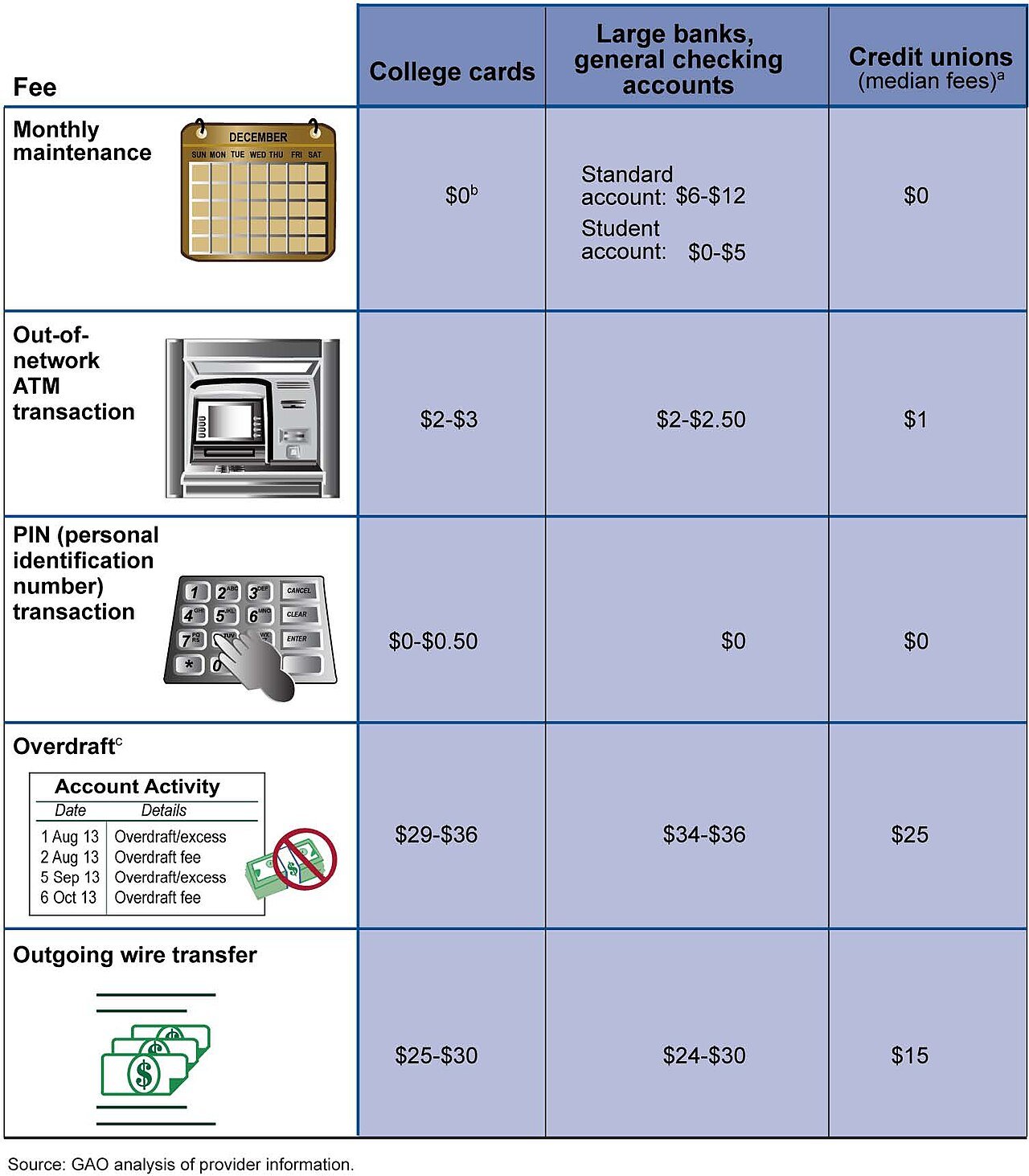
Image source: Wikimedia Commons / U.S. Government Accountability Office from Washington, DC, United States
Why Spending Duplicate Funds Creates a Negative Balance
The bank reverses the duplicate whenever it catches the error. That could be days or weeks later. By then, you may have paid rent or bought groceries with money that wasn't yours.
The reversal hits your account like a debit. If your balance can't cover it, you get an overdraft. Average overdraft fees sit around $35 per transaction.
Multiple transactions mean multiple fees.
The bank can also use its right of setoff. That lets it pull money from your other accounts to cover the negative balance. Savings account?
Joint account? Those can be tapped too.
When a Duplicate Deposit Becomes Theft, Fraud, or Unjust Enrichment
Keeping a duplicate deposit isn't always a crime. But it can become one. If you know the money isn't yours and you spend it anyway, prosecutors may call it theft by deception or larceny.
The legal threshold varies by state. Some states prosecute misdemeanor theft under $500. Felony thresholds start around $1,000 to $2,500.
Civil liability is easier to trigger. Unjust enrichment claims don't require intent. If you received a benefit you didn't deserve, the rightful owner can sue for restitution.
Account Freezes, ChexSystems Reporting, and Long-Term Banking Damage
Banks can freeze or close accounts tied to duplicate deposit disputes. A freeze blocks all access. You can't withdraw, transfer, or pay bills.
If the bank closes your account for cause, it may report you to ChexSystems or Early Warning Services. Those reports stay for five years. Other banks check them before opening new accounts.
A frozen account can also hurt your credit if bills go unpaid. Late payments stay on your credit report for seven years.
First 24 Hours: What to Do When You See a Duplicate Deposit
The first day matters most. What you do now decides whether this stays a simple fix or becomes a financial mess. Follow these steps in order.
Do Not Spend the Money: Available Balance vs Current Balance
Your available balance includes pending deposits. Your current balance reflects only posted transactions. That duplicate deposit may show as available before it's final.
Don't touch it. Move the exact amount to a separate savings account if you can't trust yourself. That way, when the reversal hits, your checking account stays whole.
Contact Your Bank and the Payer in Writing
Call your bank first. Tell them you see a duplicate deposit and you want to report it. Get a confirmation number for the call.
Then contact the payer. If it's your employer, email payroll. If it's a government agency, call the benefits office.
Put everything in writing so you have a paper trail.
Keep Screenshots, ACH Trace Numbers, and Confirmation Numbers
Document everything. Screenshot the transaction in your banking app. Save the ACH trace number if you can find it.
That number identifies the payment through the network.
Keep every email, letter, and note. Write down the date, time, and name of anyone you speak with. If this ends up in court, your records are your defense.
Ask for the Reversal Timeline and Get It in Writing
Ask the bank when the reversal will happen. Get the answer in writing if possible. A secure message through your banking app works fine.
If the payer is recovering an overpayment, ask about a repayment plan. Many employers will let you pay back over several paychecks. Government agencies often have waiver or appeal processes.
We've covered what to do after receiving an overpayment notice in more detail. The key is to act fast and document everything.
Bank Error vs Payer Error vs Your Mistake: Who Fixes What
Who fixes a duplicate deposit depends on who caused it. The process, timeline, and your legal exposure all shift based on the source. Here's how to tell which situation you're in.
When the Bank Reverses the Duplicate Automatically
Banks catch most duplicate ACH entries within a few days. Their systems flag identical amounts, same sender, and close posting times. The bank then returns the duplicate entry to the originating bank.
This is the easiest scenario. You don't have to do anything except not spend the money. The reversal happens on the bank's schedule, usually within one to five business days.
When the Employer or Payroll Processor Recovers an Overpayment
If your employer paid you twice, the recovery process is different. The bank might not catch it because each payment looks valid. The employer has to notice the error and request a reversal.
Most employers will ask for voluntary repayment. They might offer a repayment plan that spreads the deduction across several paychecks. If you refuse, they can garnish your wages, sometimes without a court order.
Some states limit how much an employer can deduct per paycheck. Check your state labor laws. If you're in a union, your collective bargaining agreement may have protections too.
When You Accidentally Deposited the Same Check Twice
This is your error, and you're responsible for fixing it. Mobile deposit duplicate detection usually stops the second deposit. But if both go through, your bank will reverse one.
The bank may charge a fee for the returned deposit. It can also flag your account for suspicious activity. Repeated duplicate deposits can lead to mobile deposit privileges being revoked.
When a Scam Is Behind the Duplicate Deposit
Scammers use fake duplicate deposits to trick you. They send a fake check or ACH credit. Then they ask you to send back part of the money by gift card, wire, or crypto.
The deposit looks real at first. Your bank may even make the funds available. But the check bounces days later.
You're out the money you sent, plus fees.
Never send money back to someone who "accidentally" overpaid you. Report it to the FTC and your bank right away.
Reversal Timelines, Return Codes, and Repayment Rules You Should Expect
The reversal doesn't happen overnight. Some duplicates unwind within days. Others drag on for weeks.
Knowing the timeline helps you plan without getting caught short.
ACH Return Codes Like R24 Duplicate Entry and R01 Insufficient Funds
The Nacha Operating Rules assign return codes to every ACH return. R24 means duplicate entry. R01 means insufficient funds in the originating account. R03 means no account or unable to locate.
If you see R24 on a returned transaction, that's the system working as designed. The bank caught the duplicate and sent it back. You don't need to do anything except confirm the reversal posted correctly.
Regulation E Provisional Credit, 10 Business Days, and 45-Day Investigations
Regulation E gives you error-resolution rights. If you report an unauthorized transfer, the bank must investigate. It can take up to 45 days for a full investigation.
For consumer accounts, the bank must provide provisional credit within 10 business days if it can't complete the investigation sooner. That credit is temporary. If the bank finds the transaction was authorized, it can claw it back.
A duplicate deposit is different. The bank isn't investigating an error you reported. It's correcting its own mistake or the payer's.
That correction usually happens faster, often within one to five business days.
Payroll Overpayment Repayment Plans and Wage Garnishment Risks
Employers usually ask for voluntary repayment first. Most will set up a repayment plan that spreads the deduction across several paychecks. Get the terms in writing before you agree.
If you refuse, the employer can garnish your wages. Some states require a court order. Others let employers deduct without one, up to a legal cap.
Federal law caps garnishment at 25% of disposable earnings.
Social Security, VA, Unemployment, and Student Aid Overpayment Recovery
Government agencies have their own recovery tools. Social Security can reduce future benefit checks to recover an overpayment. The VA does the same.
Unemployment agencies can offset future claims.
Student aid overpayments may be referred to the Treasury Offset Program. That lets the government intercept tax refunds to collect. If you're on survivor benefits and see a duplicate, our guide on benefits for parents of deceased workers explains how those payments work.
Mistakes That Turn a Simple Duplicate Deposit into a Financial Disaster
Most people don't get in trouble because of the duplicate itself. They get in trouble because of how they react. Avoid these mistakes and you'll come out clean.
Ignoring the Duplicate Because It Looks Like a Bonus
Hope is not a strategy. A duplicate deposit is not a bonus, a gift, or a raise. If you wait for the bank to fix it, you may not notice until the reversal hits.
By then, the money is gone.
Report it the day you see it. That single action protects you from almost every downstream problem.
Transferring the Money to Another Account or Withdrawing Cash
Moving the duplicate funds out of your account looks like intent to keep them. Banks and prosecutors notice that pattern. It turns a simple error into evidence of fraud.
Leave the money where it landed. If you can't resist, transfer it to a savings account at the same bank. Track the exact amount so you can hand it back.
Repaying by Gift Card, Wire, or Crypto When a Scammer Asks
No legitimate bank, employer, or government agency asks for repayment by gift card, wire transfer, or cryptocurrency. That request is the scam.
The fake deposit will bounce. The money you sent back won't. Once you wire or buy gift cards, the funds are gone.
Report it to the FBI IC3 and your bank immediately.
Failing to Correct Payroll, W-2, 1099, or Tax Records
A duplicate payroll deposit affects your tax records. Your employer may need to issue a corrected W-2c or 1099. If the duplicate inflated your reported income, your tax return could be wrong.
If you receive benefits, a duplicate payment might also affect your eligibility. Our article on SSI payment reductions due to living arrangements shows how small changes in benefit amounts can shift eligibility.
When to Get Help: Bank Disputes, Payroll Overpayments, Government Benefits, and Legal Advice
Sometimes you can fix this yourself. Sometimes you can't. Knowing when to escalate saves you time, money, and stress.
Here's when to bring in outside help.
Filing a CFPB Complaint or State Attorney General Complaint
If your bank won't reverse a duplicate promptly, file a complaint with the Consumer Financial Protection Bureau. Banks respond to CFPB complaints fast. The CFPB tracks every one.
State attorneys general also handle consumer complaints. If your bank is state-chartered, the state banking regulator is another option.
Reporting Scams to the FTC and FBI IC3
Scams go to the FTC and the FBI Internet Crime Complaint Center. Report even if you didn't lose money. The reports help investigators catch patterns.
File the report within days. Early reports help law enforcement freeze accounts and trace funds. Late reports rarely recover anything.
Getting a Payroll Attorney or Tax Professional Involved
If your employer is demanding repayment under terms you didn't agree to, a payroll attorney can help. They know state wage laws and garnishment limits.
If a duplicate payment affected your taxes, a tax professional can help you correct the return. For self-employed workers receiving duplicate payments, our guide on retirement benefits for self-employed workers covers the tax side of irregular income.
Small Claims Court, Arbitration, and Statute of Limitations Basics
Small claims court handles disputes under a state-set limit, often $5,000 to $10,000. Filing is cheap and doesn't need a lawyer. It's a good option if a payer refuses to correct their records.
Check your deposit agreement for an arbitration clause. Many banks require disputes to go through arbitration instead of court. The statute of limitations for these claims ranges from two to six years depending on the state.
FAQs About Payments Deposited Twice
What happens if a payment is deposited twice into my account?
The bank reverses the duplicate, usually within one to five business days. The funds are not yours. If you spend them, your account can go negative.
Report the duplicate immediately and keep documentation.
Can I keep the money if the bank makes a duplicate deposit?
No. Keeping duplicate funds can lead to a lawsuit for unjust enrichment or criminal charges for theft. The bank has a legal right to correct its own error under your deposit agreement.
How long does a bank have to reverse a duplicate deposit?
ACH duplicate entries can be returned within two banking days. Banks often catch duplicates faster through automated detection. Regulation E investigations can run up to 45 days for disputed transfers.
What if I already spent the duplicate payment?
Contact the payer and set up a repayment plan. Employers may spread the deduction across paychecks. Government agencies have waiver and appeal processes.
Act fast to avoid garnishment or offset.
Is a duplicate direct deposit from my employer my money?
No. A payroll overpayment belongs to your employer. They can recover it through voluntary repayment, wage deduction, or garnishment.
Get any repayment agreement in writing.
Will a duplicate deposit affect my credit score?
A duplicate deposit itself won't show on your credit report. But if it leads to a charge-off or unpaid collections, those can stay on your report for seven years. Keep your address current with creditors so notices reach you; our guide on updating your mailing address walks through that.
Final Decision Guide: Keep, Report, or Repay?
The right answer is the same in every scenario: report the duplicate, don't spend the money, and repay if asked. The only variable is who you contact and how fast.
Safe Actions for ACH, Payroll, Check, Wire, and Benefit Duplicates
For ACH and payroll duplicates, call your bank and the payer the same day. For check deposits, tell the bank and don't re-deposit. For wires and instant payments, get the reversal request in writing.
For government benefits, contact the agency and follow their overpayment process. Every agency has one, and they all expect you to cooperate.
Verified Summary of Legal, Banking, and Tax Responsibilities
You have three duties. Don't spend funds you weren't owed. Report the duplicate promptly.
Cooperate with the reversal or repayment process.
Banks have duties too. They must follow Regulation E and Regulation CC. Payers must correct their records.
Agencies must give you notice and options.
When to Escalate and How to Protect Yourself Long-Term
Escalate if the bank won't reverse within 10 business days. Escalate if a payer threatens garnishment without a written agreement. Escalate if you suspect a scam.
Long term, check your account weekly. Enable transaction alerts through your bank's app. Keep paper and digital records for at least seven years.
And never treat an unexpected deposit as free money.