
Assistance programs for seniors with no savings are real, but they're spread across federal, state, and county agencies. That makes the system hard to navigate when you're already stressed about money. You don't have to figure it out alone.
In our research, we looked at the 2025 Federal Poverty Guidelines. They set the line at $15,650 for a single person. That number decides who qualifies for many programs.
So getting the details right is not optional. A single mistake on a form can delay benefits for months. Now let's look at why accuracy matters so much.
Quick Answer
Assistance programs for seniors with no savings include SSI, SNAP, Medicaid, and housing aid. Eligibility depends on income, assets, and state rules. Apply through the Social Security Administration, your state Medicaid office, or a local Area Agency on Aging.
Free application help is available. You can also call 211 for local referrals.
Why Accuracy Matters When You're Helping a Senior With No Savings
The High-Stakes Reality of Senior Benefits
Senior benefits are not a game. A wrong answer on an application can trigger a denial. That denial can lead to eviction or a medical crisis.
We've seen cases where a simple typo cost someone months of food assistance.
The stakes are high because many seniors live on fixed incomes. They have no savings to fall back on. One missed benefit can mean the difference between keeping the lights on or not.
That's why accuracy is everything.
The application process itself is a maze. You might need to apply for one program to qualify for another. For example, SSI can make you automatically eligible for Medicaid in many states.
If you don't know that, you might skip SSI. That mistake costs you healthcare.
What "No Savings" Really Means for Eligibility
Having no savings sounds simple. But the rules are not. Some programs count your car as an asset.
Others don't. Some count a small life insurance policy. Others ignore it.
In our research, we found that asset limits vary widely. For SSI, an individual can have $2,000 in countable resources in 2026. A couple can have $3,000.
For Medicaid, some states have no asset limit for certain groups. Others use a $2,000 limit. You need to check your state's rules.
How Wrong Advice Can Cost Housing, Healthcare, or Food
Bad advice is everywhere. A friend might say you earn too much to qualify. A website might list outdated income limits.
If you believe that, you never apply. You lose benefits you deserved.
Wrong advice also comes from scammers. They promise help for a fee. Then they steal your identity.
The Social Security Administration never calls to demand payment. The real help is free. You can find programs that help with everyday costs through trusted local agencies.
The Core Assistance Programs for Seniors With No Savings
Federal Income and Food Programs: SSI and SNAP

Image source: Openverse / USDAgov (PDM 1.0)
SSI provides a monthly cash benefit for people with limited income and resources. As of 2025, the federal benefit rate is $967 for an individual and $1,450 for a couple. Those numbers usually rise with the cost of living each year.
SNAP helps with food. Most seniors only need to meet the gross income test. That's 130% of the federal poverty line.
For a single person in 2025, that's about $1,696 per month. You apply through your state SNAP office.
Healthcare and Prescription Help: Medicaid, Medicare Savings Programs, and Extra Help
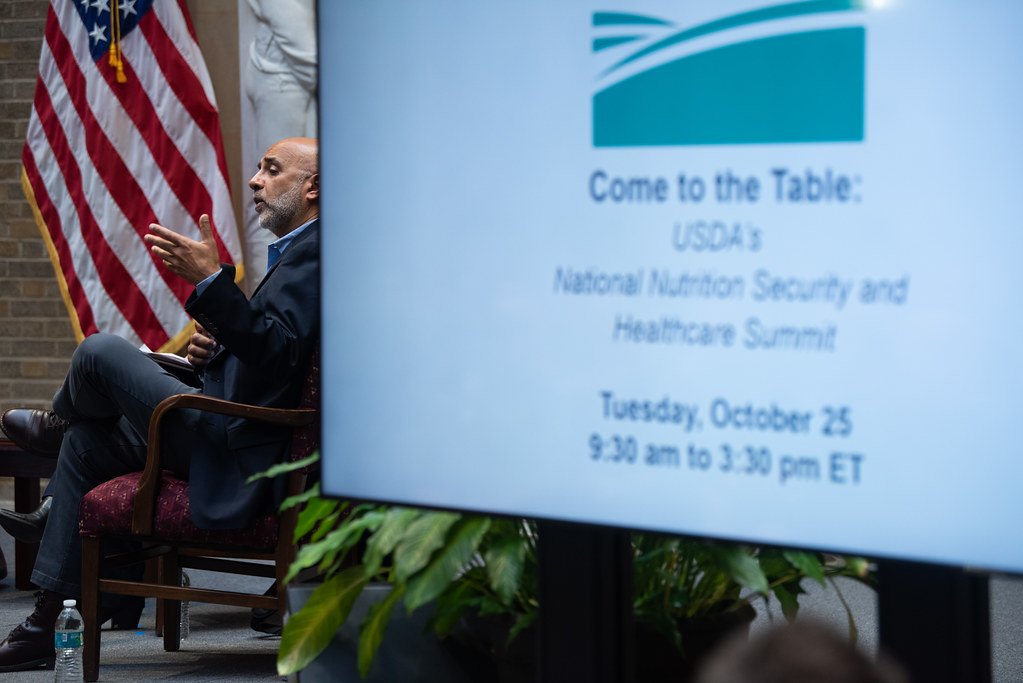
Image source: Openverse / USDAgov (PDM 1.0)
Medicaid pays for doctor visits, hospital care, and long-term services. Medicare Savings Programs help pay Medicare premiums and deductibles. Extra Help lowers prescription drug costs.
Each has different income limits. The income caps for Medicare savings change every year.
You can learn more about these programs at the official Medicare website. Medicaid is run by your state. Apply through your state Medicaid agency.
Housing and Utility Assistance: Section 8, Section 202, and LIHEAP
Section 8 gives rental assistance. You pay about 30% of your adjusted income. Section 202 provides housing for very low-income seniors.
LIHEAP helps with heating and cooling bills. Apply through your state LIHEAP office.
The Department of Housing and Urban Development oversees Section 8 and Section 202. Visit HUD.gov for details. Waiting lists can be long, so apply early.
Phone, Internet, and Property Tax Relief: Lifeline and State Programs
Lifeline gives a discount on phone or internet service. You may qualify if you get SSI, SNAP, or Medicaid. Many states offer property tax relief for seniors.
That can be an exemption, a freeze, or a deferral. Check with your county assessor.
Here's a quick comparison of core programs.
| Program | What it helps with | Who qualifies |
|---|---|---|
| SSI | Monthly cash | Low income, limited assets |
| SNAP | Food | Income under 130% FPL |
| Medicaid | Healthcare | State income rules |
| Section 8 | Rent | Income under 50% AMI |
| LIHEAP | Utilities | Income under 150% FPL |
| Lifeline | Phone/Internet | SSI, SNAP, Medicaid recipients |
For seniors living alone with disabilities, there is aid for disabled adults living alone that can fill gaps.
How Eligibility Really Works: Income, Assets, and Spend-Down Rules
Income Tests and Federal Poverty Guidelines
Most programs use the Federal Poverty Guidelines. The 2025 guideline for a single person is $15,650 per year. That's $1,304 per month.
Some programs use a percentage of that number. SNAP uses 130%. Medicaid uses different percentages in different states.
Your income is not just your paycheck. It includes Social Security benefits, pensions, and even some gifts. Countable income rules vary by program.
Always report all income sources.
Asset Limits and What Counts Against You
Asset limits are tricky. Countable assets include cash, bank accounts, stocks, and some property. Your primary home often does not count.
One car may not count. But a second car might. Owning a car while on SSI can affect your eligibility.
Some states have eliminated asset limits for Medicaid. Others still use them. Check your state's rules before you apply.
Medicaid Spend-Down and Medically Needy Pathways
If your income is too high, you might still qualify through spend-down. You pay medical bills until your income drops to the Medicaid limit. That amount becomes your spend-down.
Some states call this the medically needy program.
Spend-down works like a deductible. Once you meet it, Medicaid starts covering care. Keep every medical receipt.
You'll need them to prove your spending.
The Medicaid Look-Back Period and Estate Recovery
Medicaid looks back five years at asset transfers. If you gave away money or property, you may face a penalty. That penalty delays eligibility.
After you die, Medicaid may try to recover costs from your estate. That can include your home. But there are exceptions.
A surviving spouse is protected. So is a disabled child.
How marriage changes SSI can also affect your benefits. Report any change in marital status right away.
The Hidden Risks: Scams, Benefit Cliffs, and Legal Traps
Common Scams Targeting Seniors With No Savings
Scammers target seniors because they often have steady benefit checks. They call and pretend to be from Social Security. They say your number is suspended.
They ask for payment. Real agencies never do that. Hang up.
Report the call.
Other scams promise free money for a fee. They ask for your bank account number. Never give it out.
The government will never ask for payment over the phone.
Benefit Cliffs and Overpayment Recovery
A benefit cliff is when a small raise causes you to lose a large benefit. For example, earning $50 more per month might end your Medicaid. That can cost you thousands in care.
Overpayments also happen. If you forget to report a change, you may owe money back. Here's what to do after dealing with an overpayment notice.
You can appeal an overpayment. You can also ask for a waiver. Act quickly.
Deadlines are strict.
Estate Recovery and Transfer Penalties
Estate recovery can take your home after you die. Transfer penalties apply if you gave away assets. Both are legal traps.
You need to plan ahead. An elder law attorney can help. Legal aid may be free for low-income seniors.
Some assets are exempt. A life estate can protect your home. Talk to a lawyer before you transfer anything.
Reporting Changes and Avoiding Fraud
You must report changes within a certain time. That includes moving, marrying, or changing income. Not reporting can look like fraud.
It can lead to penalties. Keep copies of everything you send.
If you lose your card, request a replacement right away. Replacing a lost benefits card is usually free. Report lost cards to prevent theft.
Step-by-Step: How to Apply for Multiple Benefits Without Burnout
Start With a Benefits Screening Tool
Use a free screening tool first. Benefits.gov and the National Council on Aging have them. You answer questions about income, assets, and household.
The tool lists programs you may qualify for. That saves time.
Write down every program you might qualify for. Don't self-reject. Let the agency decide.
Gather Your Documents
Collect your documents before you apply. You'll need proof of identity, income, and assets. That includes your Social Security card, bank statements, and rent receipts.
If you don't have a permanent address, you can still apply. Learn about applying without a fixed address.
Make copies. Never send originals. Keep a folder for each program.
Apply for SSI, SNAP, and Medicaid
Apply for SSI through the Social Security Administration. You can start online or by phone. SNAP and Medicaid go through your state or county.
Some states have a single application for both. Apply for all that you might qualify for.
The Social Security Administration has the SSI application. You can also call 1-800-772-1213.
Handle Interviews and Verification Requests
You may need a phone interview. Answer the questions honestly. If they ask for more documents, send them quickly.
Keep a log of who you talked to and when.
Return verification requests within 10 days. Missing that deadline can close your case.
Recertify and Report Changes
Most benefits require recertification. That happens every 6 to 12 months. Mark your calendar.
Report any changes right away. You can also learn about updating your mailing address to make sure notices reach you.
Set reminders on your phone. Missing a recertification can stop your benefits.
Where to Get Free Help: Agencies, Counselors, and Legal Aid
Area Agencies on Aging and ADRCs
Area Agencies on Aging (AAAs) are your local starting point. They serve every county in the country. They offer case management, transportation, and meal programs.
They also help you apply for benefits.
Aging and Disability Resource Centers (ADRCs) go further. They provide one-on-one counseling. A counselor can screen you for every program.
They can also help you fill out forms. Find your local AAA or ADRC through the Eldercare Locator.
SHIP and Benefits Enrollment Centers
The State Health Insurance Assistance Program (SHIP) offers free Medicare counseling. SHIP counselors explain Medicare Savings Programs and Extra Help. They are trained volunteers or staff.
They don't sell insurance.
Benefits Enrollment Centers (BECs) help low-income seniors apply for multiple programs. They are funded by the National Council on Aging. They know the local rules.
They can also help with appeals.
Legal Aid and Elder Law Attorneys
Legal aid is free for low-income seniors. Legal Services Corporation (LSC) grantees handle benefit denials, evictions, and estate recovery. They can also help with guardianship and power of attorney.
Elder law attorneys charge a fee. But some offer flat rates or sliding scales. Hire one if you need Medicaid planning or a will.
The National Academy of Elder Law Attorneys has a directory.
211 and Eldercare Locator
211 is a free phone number. Call 2-1-1 from any phone. A specialist will connect you to local services.
That includes food, housing, and utility help.
The Eldercare Locator is a federal service. Call 1-800-677-1116. It connects you to your local Area Agency on Aging.
Both services are confidential.
Comparing Key Programs: SSI vs SSDI, Medicaid vs Medicare, and Housing Options
SSI vs SSDI
SSI is needs-based. It has no work history requirement. SSDI is based on work credits.
You must have paid Social Security taxes for years. The monthly amounts differ. SSDI usually pays more.
If you have no savings and little work history, SSI is your likely path. If you worked for years but became disabled, SSDI may pay more. You can apply for both at the same time.
Medicaid vs Medicare
Medicare is health insurance for people 65 or older. It has premiums, deductibles, and copays. Medicaid is needs-based health coverage.
It pays for many costs Medicare leaves behind.
You can have both. That's called being dual eligible. Medicaid may pay your Medicare Part B premium.
It can also cover long-term care. Medicare does not.
Medicare Savings Programs vs Extra Help
Medicare Savings Programs (MSPs) pay Medicare premiums. Some also pay deductibles and coinsurance. Extra Help, also called the Low-Income Subsidy (LIS), pays prescription drug costs.
Apply for both. You can qualify for one and not the other. The income limits are different.
Your state Medicaid office handles MSPs. Social Security handles Extra Help.
Section 8 vs Public Housing vs Section 202
Section 8 gives you a voucher. You find your own rental. Public housing is a government-owned apartment.
Section 202 is housing built for very low-income seniors. It often includes support services.
Section 8 has the longest waiting lists in many cities. Public housing may have a shorter wait. Section 202 is limited to seniors and people with disabilities.
Apply to all three if you can.
Common Mistakes That Cost Seniors Money and Coverage
Missing Deadlines and Recertification
Recertification deadlines are strict. Missing one can end your benefits. That happens more often than you'd think.
Mark every date on a calendar.
Set a reminder 30 days before each deadline. Gather your documents early. If you can't find a paper, call your caseworker.
Don't wait until the last minute.
Assuming You Won't Qualify
Many seniors assume they earn too much. They never apply. But asset rules have changed.
Some states have no asset limit for Medicaid. Others ignore one car and one home.
Let the agency decide. A denial costs you nothing. An approval can change your life.
Use a free screening tool first to see where you stand.
Not Reporting Changes
You must report moves, marriages, and income changes. That includes a new job or a raise. Not reporting can cause an overpayment.
You may have to pay it back.
Report changes within 10 days. Keep a copy of every report. If you get an overpayment notice, appeal it.
You can also request a waiver.
Falling for Scams or Bad Advice
Scammers target seniors with promises of free money. They ask for your Social Security number. They want your bank account.
Real agencies never do that.
Bad advice from friends can also hurt. A friend might say you don't qualify. A website might list outdated limits.
Always verify with an official source. Call 211 or your local AAA.
FAQs About Assistance Programs for Seniors With No Savings
What is the easiest program to qualify for if I have no savings?
SNAP is often the easiest. Most seniors only need to meet the gross income test. That's 130% of the federal poverty line.
You can apply online or at your county office. Approval can come in a few weeks.
Can I get help if I own a home but have no cash?
Yes. Your primary home usually does not count as an asset. That's true for SSI and Medicaid.
You may still qualify for SNAP and LIHEAP. You can also get property tax relief. Check with your county assessor.
Does Medicaid take my house after I die?
Sometimes. Medicaid estate recovery can claim your home. But there are exceptions.
A surviving spouse is protected. So is a disabled child. You can also use a life estate or trust.
Talk to an elder law attorney.
How long does it take to get SSI?
It varies. Some cases take three to six months. Disability claims can take longer.
You may get back pay from your application date. Keep your contact info updated. Answer any requests quickly.
What if I'm denied?
You can appeal. The appeal deadline is usually 60 days. File it in writing.
Legal aid can help you for free. Many denials are overturned on appeal. Don't give up.
Can immigrants get senior assistance?
Some can. It depends on your immigration status. SSI requires qualified status.
Medicaid and SNAP have different rules. Some states offer help regardless of status. Check with a local legal aid office.
Your Next Step: A Simple Action Plan for Seniors With No Savings
Today: Screen for Benefits
Go to Benefits.gov or call 211. Answer the questions honestly. Write down every program you might qualify for.
Don't skip any. You can always decline later.
This Week: Gather Documents and Apply
Collect your ID, Social Security card, and bank statements. Apply for SSI, SNAP, and Medicaid. Use your state's online portal if you have one.
Ask an ADRC counselor for help.
This Month: Follow Up and Recertify
Call to check your application status. Respond to any verification requests within 10 days. Mark your recertification dates.
Set phone reminders.
Long-Term: Keep Benefits and Plan Ahead
Report all changes right away. Keep copies of everything. Review your benefits every year.
If you get a raise or inherit money, tell your caseworker. Planning ahead protects you.
Pingback: * SSI Eligibility for Elderly Immigrants - OMAGOUS
Pingback: * Medicare Premium Assistance for Low Income Retirees - OMAGOUS
Pingback: * Assistance Programs for Seniors Paying Utility Bills - OMAGOUS